Transformations in Layered Incentive Mechanisms Across Virtual Gaming Platforms
Written by Tina Bennett · Jul 6, 2026
Transformations in Layered Incentive Mechanisms Across Virtual Gaming Platforms
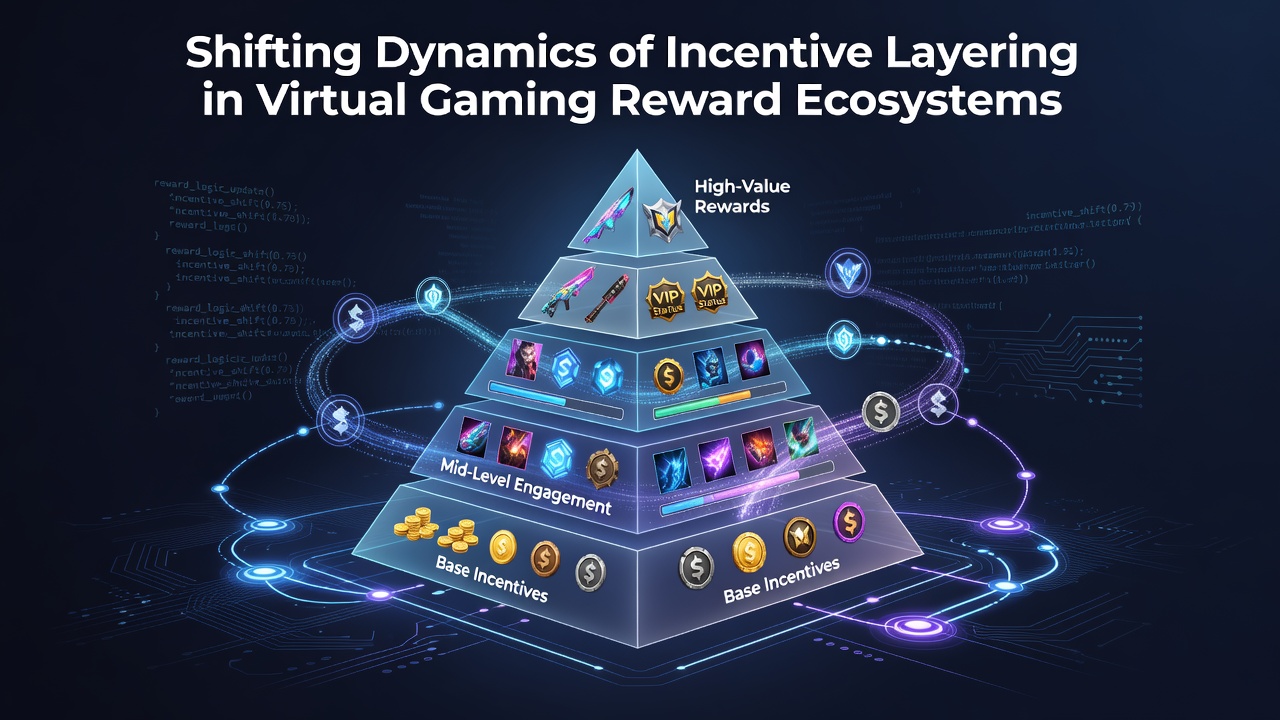
Virtual gaming environments continue to evolve their approaches to reward distribution through increasingly sophisticated layering techniques that combine immediate gratifications with long-term accumulation strategies and cross-system integrations. Developers have adjusted these models in response to player behavior data collected through 2025 and into mid-2026, when several platforms introduced revised structures that altered how points, currencies, and access privileges interact within single ecosystems.
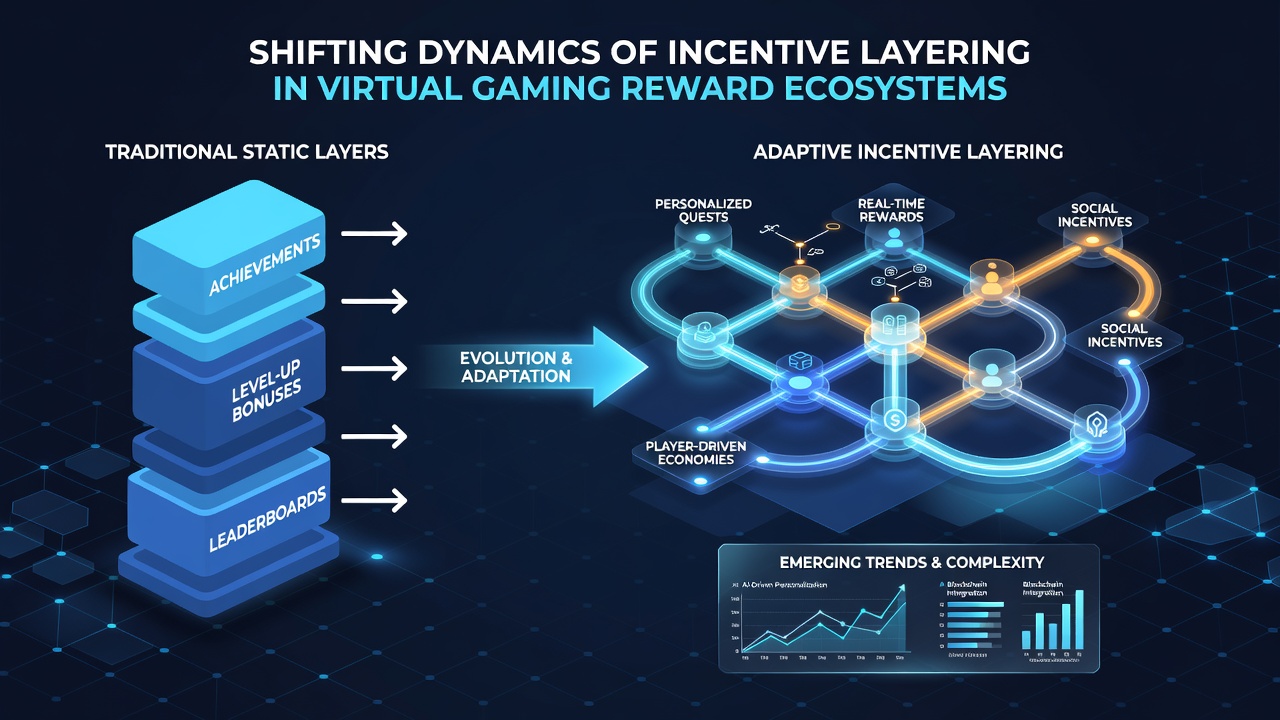
Layering typically begins with base-level rewards earned through standard play sessions, then adds secondary multipliers tied to session duration or consecutive logins, while tertiary elements incorporate social features such as guild contributions or competitive rankings. Data collected by industry monitoring groups shows that platforms employing four or more distinct layers report higher retention metrics compared with simpler single-tier systems, although exact percentages vary by region and game genre. In July 2026 several mobile-focused developers updated their backend algorithms to recalibrate these layers after observing shifts in daily active user patterns following regulatory changes in select Asian markets.
Core Components of Modern Incentive Structures
Primary reward layers consist of in-game currency or experience points granted directly for completing objectives, whereas secondary layers apply conditional boosts such as limited-time events or streak bonuses that expire after fixed intervals. Tertiary layers often involve prestige systems or seasonal passes that unlock cosmetic items or exclusive modes once primary and secondary thresholds are met. Observers note that successful layering requires careful calibration so that higher tiers remain attainable yet distinct enough to maintain perceived value. Research from academic institutions tracking digital economies indicates that unbalanced layers lead to accelerated player churn once initial novelty fades.
Integration across platforms represents another emerging dimension, where progress in one title influences rewards available in companion games from the same publisher. This approach gained traction after several major studios demonstrated measurable increases in cross-title engagement during the first half of 2026. External partnerships with hardware manufacturers have also introduced hardware-linked incentives, such as controller-specific bonuses or cloud-save multipliers, further complicating the incentive architecture.
Regional Variations and Regulatory Influences
European operators have responded to directives from national gaming authorities by increasing transparency around expiry conditions and conversion rates between different reward types. Meanwhile North American developers emphasize competitive elements within layered systems, frequently incorporating leaderboards that feed into exclusive prize pools. Australian research centers have published analyses comparing retention outcomes across these varying regulatory environments, highlighting how disclosure requirements affect player perception of layered value propositions.
One study released in early 2026 examined data from over 2 million accounts and found that platforms providing clear visual breakdowns of each incentive layer experienced slower decay in engagement after the first three months of player activity. These findings align with broader trends observed by trade associations monitoring virtual economies worldwide.
Technical Implementation and Data Analytics
Backend systems now employ machine learning models to dynamically adjust layer parameters based on real-time player cohorts. These adjustments might elevate certain multipliers for underperforming segments or introduce new bridging mechanisms that allow partial transfer of value between discontinued and active reward tracks. Reports from technology providers supplying these analytics tools note increased demand for such services throughout 2025 and 2026 as competition intensifies among virtual gaming services.
Security considerations have also shaped layering practices, particularly around prevention of reward duplication or unauthorized transfers. Developers have implemented additional verification steps at layer transition points, which in turn influences how quickly players can progress through stacked incentives. Case examples from large-scale virtual worlds demonstrate that robust verification reduces instances of system abuse without significantly impacting legitimate engagement rates.
Future Trajectories in Reward Ecosystem Design
Continued refinement of incentive layering appears likely as platforms collect additional behavioral datasets and respond to evolving player expectations. Integration with emerging technologies such as augmented reality overlays may introduce new layer types that blend physical-world actions with virtual rewards. Industry conferences scheduled for later in 2026 are expected to feature sessions dedicated to measuring the long-term sustainability of increasingly complex multi-layer architectures.
Those who have examined longitudinal player data emphasize the importance of maintaining equilibrium across all layers rather than over-emphasizing any single component. This balanced approach supports both short-term acquisition goals and extended retention objectives within competitive virtual gaming markets.
Conclusion
The ongoing transformation of incentive layering reflects broader shifts in how virtual platforms structure player motivation and value delivery. As technical capabilities advance and regional regulations continue to develop, developers maintain focus on creating interconnected reward systems that adapt to diverse user behaviors while preserving system integrity across global audiences.