Threshold Mechanics Driving Player Expenditure in Virtual Casino Reward Systems
Written by Freya Jenkins · Aug 13, 2026
Threshold Mechanics Driving Player Expenditure in Virtual Casino Reward Systems
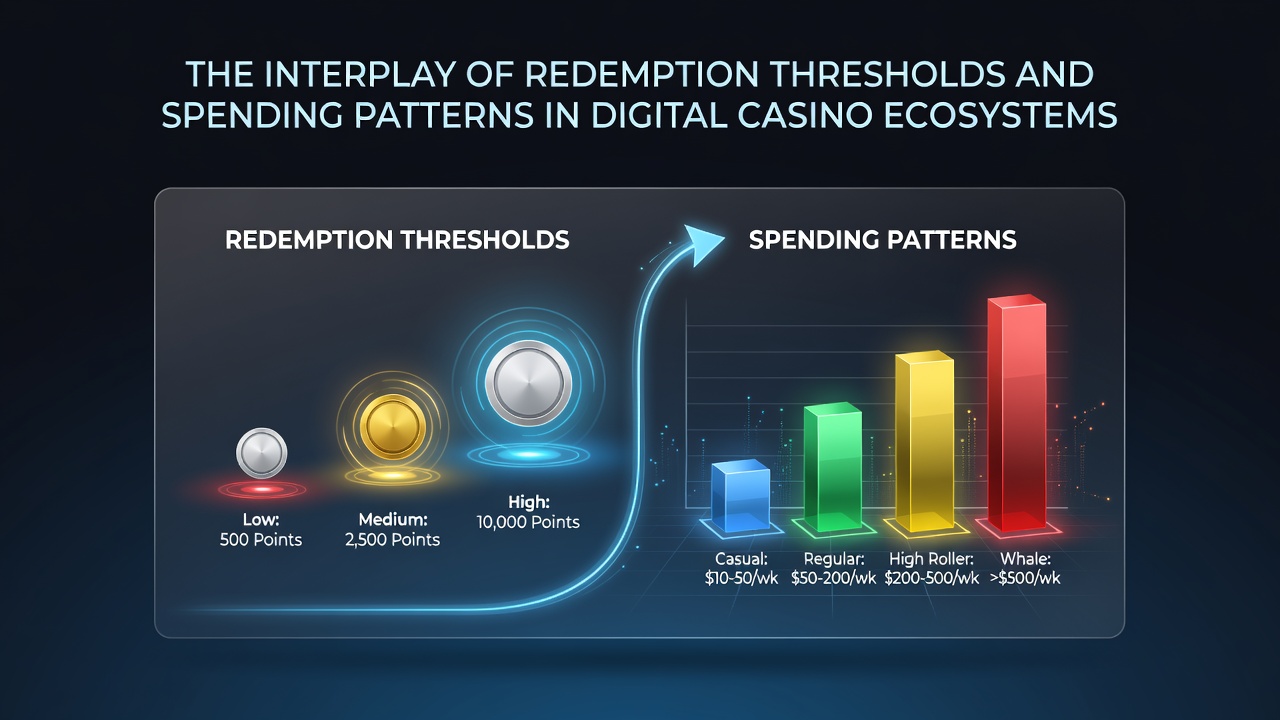
Redemption thresholds in digital casino platforms set minimum point requirements before players can access rewards, and these levels interact directly with how participants allocate their funds across gaming sessions. Operators establish these thresholds through algorithms that factor in average session lengths, deposit frequencies, and historical redemption rates, which in turn shape daily and weekly spending volumes. Data from multiple jurisdictions shows that higher thresholds correlate with increased total wagers per active account during peak months, while lower thresholds produce more frequent but smaller individual transactions.
Mechanics of Point Accumulation and Redemption
Digital platforms calculate loyalty points based on bet amounts, game types, and time spent, yet the conversion into usable rewards remains gated by thresholds that range from 500 points for basic credits to 50,000 points for premium experiences. These gates require sustained activity before conversion occurs, and players adjust their deposit sizes accordingly to meet targets within planned timeframes. Research from the Australian Institute of Family Studies indicates that accounts reaching 80 percent of a given threshold often increase weekly deposits by 15 to 25 percent until the target clears, creating measurable spikes in platform revenue during those intervals.
Operators monitor these patterns through real-time dashboards that flag accounts approaching thresholds, then trigger targeted offers to maintain momentum. In August 2026, several major platforms reported a 12 percent rise in average session value during periods when redemption windows aligned with major sporting events, demonstrating how external calendars amplify the effect of internal mechanics.
Spending Pattern Shifts Tied to Threshold Levels
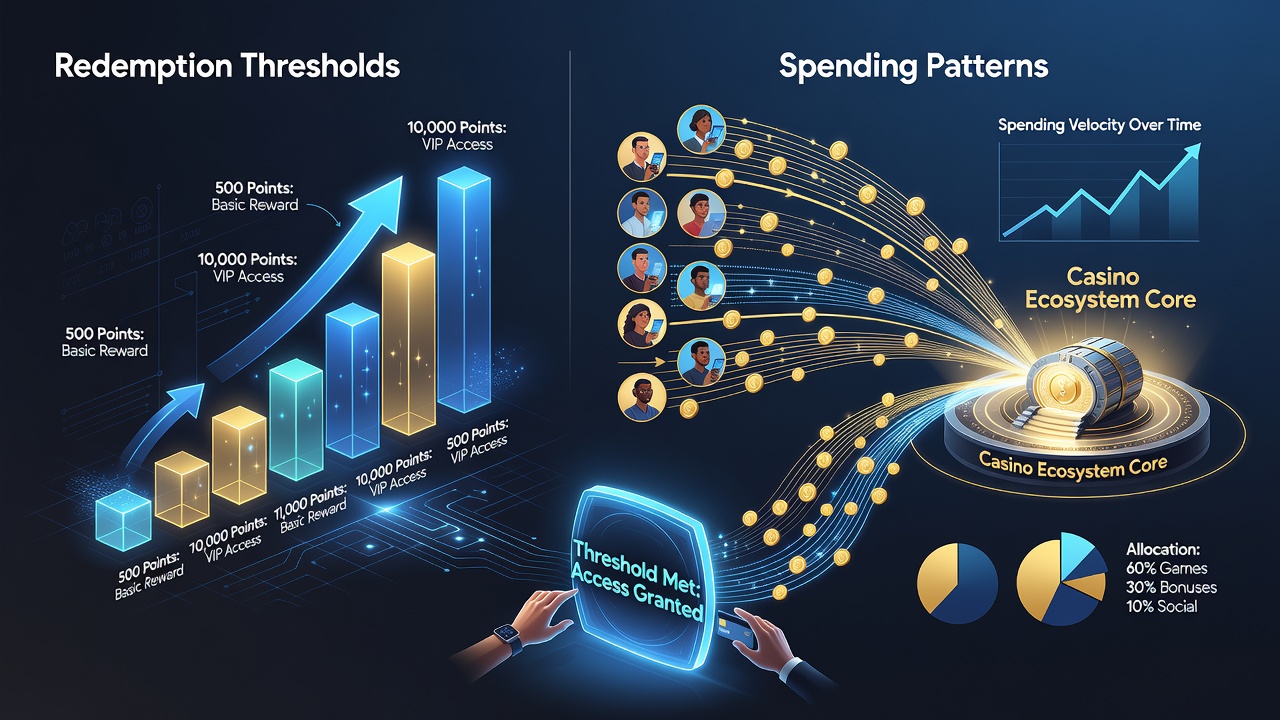
Players exhibit distinct spending behaviors once thresholds become visible in account interfaces. Those nearing a reward often extend sessions beyond original plans, while those far below tend to reduce frequency or switch to lower-stake games. European gaming association reports document that platforms using tiered thresholds see a 30 percent higher retention rate among accounts that cross at least one threshold per quarter compared with accounts that remain below all active gates. This pattern holds across both desktop and mobile environments, though mobile users reach thresholds faster due to shorter, repeated logins throughout the day.
Regional Variations in Threshold Design
North American operators typically set higher redemption bars for cashback offers, whereas Asian platforms emphasize smaller, more frequent milestones tied to free spins and bonus credits. Canadian regulatory filings from 2025 reveal that provinces with mandatory disclosure of threshold values experienced a measurable smoothing of monthly spend curves, as players distributed activity more evenly rather than front-loading deposits near month-end. Similar adjustments appear in Singapore market data, where integrated resort operators link threshold resets to calendar quarters, producing predictable volume increases at the start of each new period.
Cross-platform point exchanges, though limited, further complicate these dynamics when thresholds differ between sites. Accounts that transfer points often recalibrate spending to satisfy the stricter of the two systems, resulting in concentrated activity on the platform with the lower bar until transfer eligibility activates.
Algorithmic Adjustments and Player Response
Platform algorithms update threshold values quarterly based on aggregate spending data, adn these revisions prompt immediate behavioral changes. One documented case from a mid-sized European operator showed that raising a primary redemption gate by 20 percent led to a temporary 8 percent drop in total deposits followed by recovery within six weeks as players adapted their routines. Observers note that transparent communication of upcoming changes reduces the severity of these dips, while sudden unannounced adjustments produce sharper but shorter disruptions.
Industry analyses from the National Council on Problem Gambling highlight that players who track threshold progress through mobile notifications maintain steadier spend rates than those without visibility tools. The same reports indicate that August 2026 saw increased adoption of these notification features across multiple operators, coinciding with a stabilization of average monthly expenditure among tracked accounts.
Conclusion
Redemption thresholds function as structural levers that directly modulate spending rhythms in digital casino environments. Platforms that calibrate these levels against observed player cycles sustain more consistent revenue flows, while those that overlook the interplay risk volatility in deposit patterns. Continued monitoring across regions will determine how future adjustments align with evolving player expectations and regulatory requirements.