Tai Kin Ip Steps Down as Macau's Secretary for Economy and Finance in Unexpected 2026 Move
Written by Leon Patterson · Apr 16, 2026

Tai Kin Ip Steps Down as Macau's Secretary for Economy and Finance in Unexpected 2026 Move
Macau, the bustling enclave that's long held the crown as the world's largest gambling hub, faced a notable shift on April 16, 2026, when Tai Kin Ip resigned from his post as Secretary for Economy and Finance, citing personal reasons; the move, proposed by Chief Executive Sam Hou Fai, quickly gained approval from China's State Council, marking a pivotal moment for the region's economic leadership.
The Announcement and Immediate Aftermath
News of the resignation broke swiftly across Macau's media landscape that very day, with official channels confirming the details; Sam Hou Fai, the Chief Executive, stepped in to temporarily helm the role, a common practice in such transitions while authorities line up a permanent replacement for Beijing's nod. Observers note how this setup keeps operations humming without a hitch, especially in a sector where stability often proves as crucial as the high-stakes games themselves.
But here's the thing: Ip's departure comes after just over a year in the hot seat, having taken the reins in late 2024, a period when Macau's casino industry—valued at around $30 billion—navigated post-pandemic recoveries and regulatory tweaks under his watch. Major players like Sands China, Wynn Macau, MGM China, SJM Holdings, Melco Resorts, and Galaxy Entertainment fell squarely within his oversight, their fortunes intertwined with the territory's economic pulse.
Tai Kin Ip's Tenure: A Snapshot of Stewardship
Those who've tracked Macau's fiscal landscape remember Ip's arrival as a fresh chapter; appointed amid efforts to diversify beyond pure gambling reliance, he managed budgets, tourism inflows, and the all-important gaming licenses that fuel the enclave's growth. Data from industry reports shows how gross gaming revenue climbed steadily during his time, rebounding from earlier slumps, although external pressures like economic slowdowns in mainland China loomed large.
Take Sands China, for instance, the local arm of Las Vegas Sands, which operates iconic properties like The Venetian; under Ip's broader economic framework, such operators adapted to stricter anti-money laundering measures and VIP segment reforms, changes that experts link to Beijing's overarching influence. Wynn Macau, with its lavish resorts, similarly threaded teh needle between opulence and compliance, while MGM China pushed forward with community-focused initiatives that aligned with government diversification goals.
And then there's SJM Holdings, the veteran local giant tracing roots back decades; Ip's policies touched everything from table game allocations to non-gaming investments, ensuring the $30 billion machine kept spinning. Melco Resorts and Galaxy Entertainment rounded out the concessioned operators, each contributing chunks to the revenue pie—Galaxy, in particular, known for its expansive properties on the Cotai Strip, benefited from infrastructure boosts during this era.
What's interesting is how Ip's role extended far beyond casinos; as Secretary for Economy and Finance, responsibilities spanned fiscal planning, trade relations, and even tech innovation hubs, reflecting Macau's pivot toward becoming a broader international metropolis, all while the gaming sector remained the undisputed heavyweight.
Macau's Gaming Empire: Context for the Leadership Change
Picture this: Macau eclipses even Las Vegas in gaming revenue, pulling in billions annually from high-rollers and mass-market crowds alike; the six licensed operators, the ones Ip supervised, hold exclusive concessions renewed in 2022 for another decade, a framework that underscores Beijing's tight grip. According to figures from the Macau Gaming Inspection and Coordination Bureau (DICJ), 2025 alone saw revenues surge past pre-COVID peaks, a trend Ip helped shepherd through policy alignments.
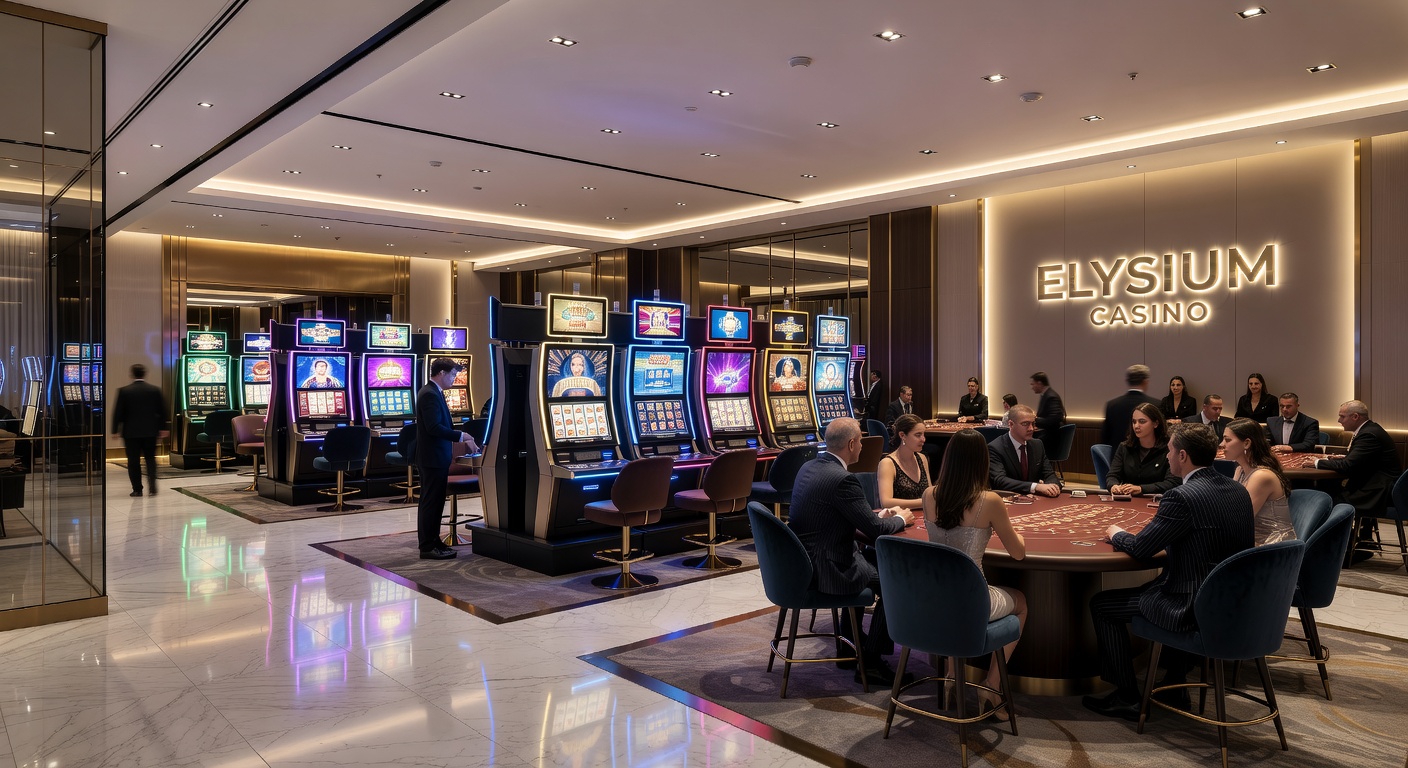
Yet the personal reasons behind his exit remain just that—personal, with no further elaboration from official statements; this leaves room for speculation among analysts, though the smooth handover to Sam Hou Fai signals business as usual. The Chief Executive, elected in 2022, now juggles this interim duty alongside his primary responsibilities, a testament to the interconnected nature of Macau's governance.
Navigating Transitions in a High-Stakes Environment
History offers parallels; past secretaries have bowed out for health or family matters, yet the system—proposal to the Chief Executive, then State Council approval—ensures continuity, much like clockwork. One case from years back involved a similar finance chief stepping aside, only for the industry to adapt seamlessly as revenues held firm.
So what happens next? Authorities must nominate a successor soon, with Beijing's green light essential; in the meantime, Hou Fai's temporary oversight means ongoing projects—from license compliance to economic diversification—press forward without pause. Operators like Melco Resorts, fresh off expansions, and Galaxy Entertainment, eyeing further Cotai developments, watch closely, knowing policy shifts could ripple through their bottom lines.
Turns out, Macau's model thrives on such stability; the DICJ's rigorous oversight, coupled with central government backing, has long kept the $30 billion engine purring, even amid global uncertainties. Experts who've studied the region point to how these leadership changes rarely disrupt the flow, as seen in revenue data that consistently climbs year-over-year.
Broader Implications for Operators and the Economy
Sands China, with its mega-resorts drawing millions, stands to benefit from any continuity in pro-tourism policies; Wynn Macau's focus on premium experiences aligns neatly with Ip's era of quality-over-quantity reforms, while MGM China's community grants—totaling millions—fit the diversification narrative he championed. SJM Holdings, blending tradition with modernity, navigated table cap adjustments smoothly, and Melco's City of Dreams empire expanded amid supportive fiscal environments.
Galaxy Entertainment, often the volume leader, capitalized on mass-market booms that Ip's tenure bolstered through infrastructure spends; collectively, these firms generate not just gaming taxes—over 80% of government revenue—but jobs, tourism, and spillover effects into hospitality and retail. Data indicates that during late 2024 through early 2026, visitor numbers rebounded sharply, cresting 30 million annually, a figure that underscores the sector's resilience.
But here's where it gets interesting: as Reuters reported on the announcement, the timing aligns with Macau's push for integrated resorts blending gaming with MICE (meetings, incentives, conventions, exhibitions), a strategy Ip advanced to wean off pure gambling dependence.
Looking Ahead: Stability Amid Change
People in the know highlight how Beijing's approval process weeds out instability; Hou Fai's interim role buys time for a measured pick, likely someone versed in both finance and gaming nuances. One study from the University of Nevada, Las Vegas International Gaming Institute—though focused on global parallels—notes similar transitions in Asian hubs rarely faze markets, with stocks of operators like those in Macau holding steady post-news.
Now, with April 2026's announcement still fresh, the enclave's leaders emphasize unity; the casino giants, from SJM's legacy venues to Galaxy's futuristic sprawls, continue operations unabated, their $30 billion ecosystem a beacon of economic might.
Conclusion
In the end, Tai Kin Ip's resignation on personal grounds, approved swiftly by China's State Council at Sam Hou Fai's proposal, underscores Macau's well-oiled governance machine; while the Chief Executive fills the gap temporarily, the world's top gambling hub—home to Sands China, Wynn Macau, and the rest—powers on, its $30 billion industry a testament to adaptability and oversight. Observers expect a seamless replacement, keeping the high-rollers rolling and the revenues flowing, just as they've done through past shifts. The ball's now in the nominators' court, but the writing's on the wall: stability reigns in this glittering corner of the world.