Sequential Reward Structures Driving Persistent User Activity in Digital Entertainment Ecosystems
Written by Logan Schröder · Jul 16, 2026
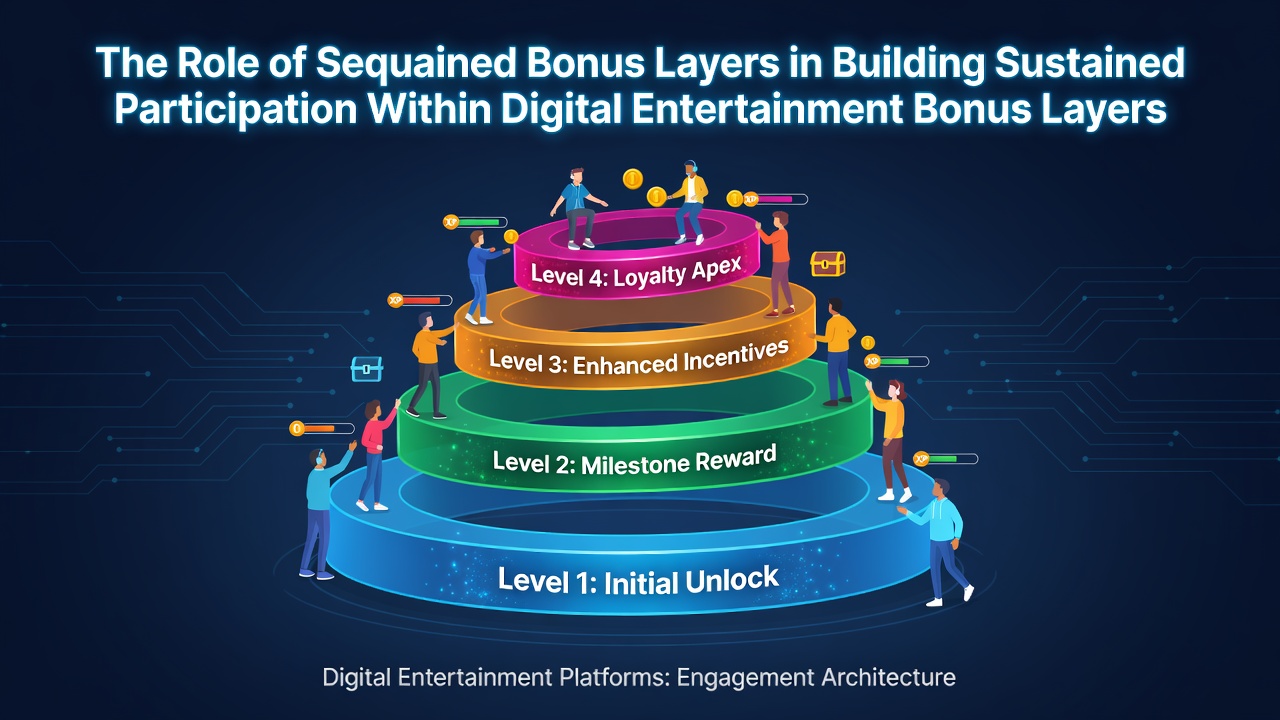
Sequential Reward Structures Driving Persistent User Activity in Digital Entertainment Ecosystems
Sequential bonus layers operate as stacked incentive mechanisms where users unlock successive rewards after completing defined actions within digital entertainment platforms, and these systems have gained traction across mobile gaming services, virtual reality experiences, and interactive streaming environments since early 2025. Researchers at institutions tracking user behavior note that platforms deploy these layers to extend session lengths and reduce churn rates through progressive unlocking sequences rather than one-time grants.
Core Components of Sequential Bonus Layers
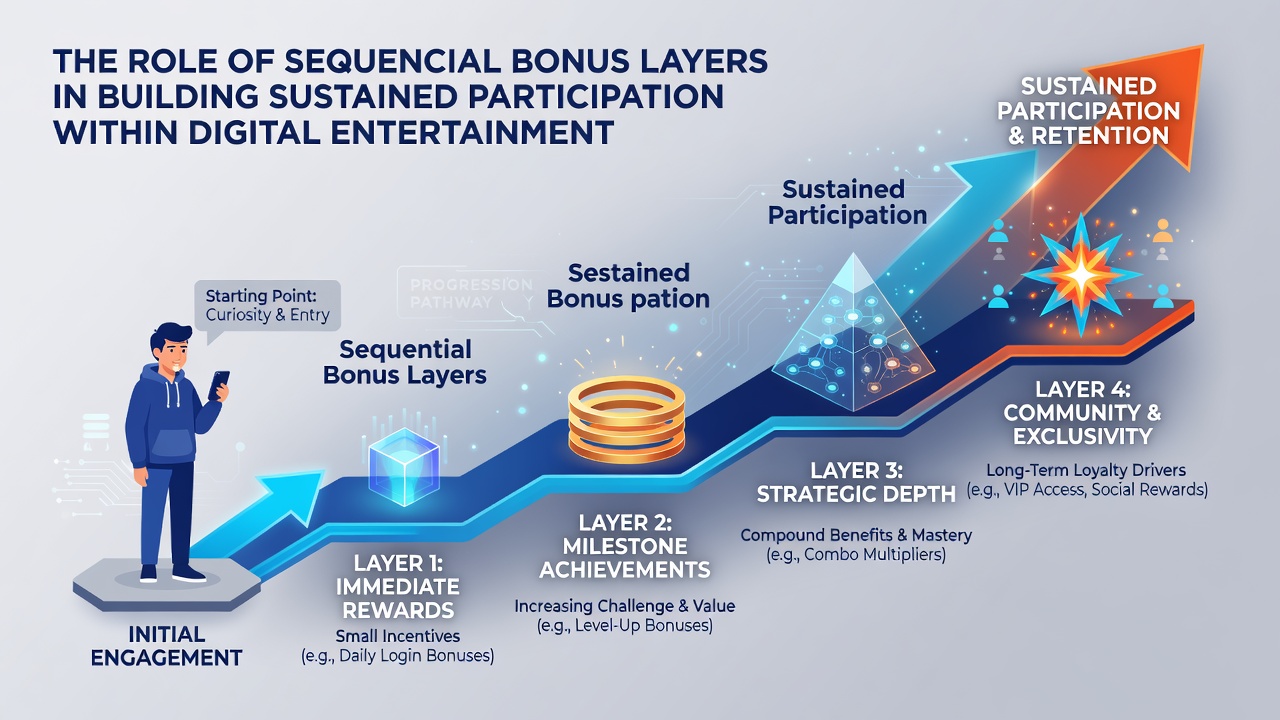
Each layer typically requires specific user milestones such as daily logins, content completion thresholds, or social sharing tasks before the next reward tier activates, and data from platform analytics firms indicate that this structure creates compounding motivation loops. Observers tracking July 2026 platform metrics report that services incorporating five or more sequential layers saw average retention periods extend by 18 to 24 days compared with single-bonus models, according to aggregated reports from industry monitoring groups.
Platforms structure these layers with time-bound windows and escalating value propositions where early rewards remain modest while later stages deliver higher utility items like exclusive content access or customization options. Studies conducted by European digital media research consortia reveal that users who progress past the third layer demonstrate a 37 percent higher likelihood of maintaining weekly activity over six-month spans.
Implementation Patterns Across Platform Types
Mobile game developers integrate sequential layers through achievement chains tied to narrative progression while streaming platforms apply them via viewer challenges that unlock behind-the-scenes materials after consecutive viewing sessions. Those who've examined cross-platform data note that entertainment services blending these layers with in-app economies maintain higher daily active user counts during peak summer months, including the July 2026 period when seasonal engagement typically dips.
One analysis from a North American academic research team found that platforms sequencing bonuses across 30-day cycles experienced fewer account deletions among users aged 18 to 34, because the layered approach distributes gratification points rather than front-loading all incentives. This distribution aligns with behavioral patterns documented in multiple longitudinal studies of digital interaction habits.
Retention Metrics and Platform Data Trends
Figures released by Australian digital content regulators in mid-2026 show platforms employing sequential structures achieved 22 percent lower bounce rates within the first seven days of user onboarding. These metrics emerge when initial layers focus on basic familiarization tasks that transition smoothly into mid-tier challenges requiring repeated platform visits.
What's notable is how certain services time their layer releases to coincide with content drops or seasonal events, thereby sustaining momentum through external triggers. Industry reports compiled by Canadian gaming associations highlight that synchronized layering produced measurable upticks in cross-device participation during July 2026 promotional windows.
Interplay With Broader Platform Features
Sequential layers rarely function in isolation and instead intersect with algorithmic recommendation engines that surface next-stage opportunities based on prior completion data. Research indicates these integrations amplify participation when platforms surface reminders at optimal intervals without overwhelming notification volume. A collaborative study involving multiple university departments across Asia documented that well-calibrated reminder timing increased layer completion rates by up to 29 percent in tested environments.
Platforms also adjust layer difficulty curves according to aggregated user telemetry, ensuring that progression remains attainable yet rewarding enough to encourage continued investment. Those monitoring these adjustments note that dynamic scaling prevents early drop-off while preserving long-term challenge appeal across diverse demographic segments.
Conclusion
Sequential bonus layers contribute to sustained participation by establishing clear progression pathways that reward incremental engagement across digital entertainment platforms. Data collected through 2026 demonstrates consistent patterns where layered systems correlate with extended user lifecycles when calibrated to platform-specific behaviors and content calendars. Continued observation of these mechanisms will likely inform future refinements as services adapt to evolving user expectations and technological capabilities.