Seasonal Incentive Patterns Shaping Engagement in Digital Casino Platforms
Written by Freya Jenkins · Jul 23, 2026
Seasonal Incentive Patterns Shaping Engagement in Digital Casino Platforms
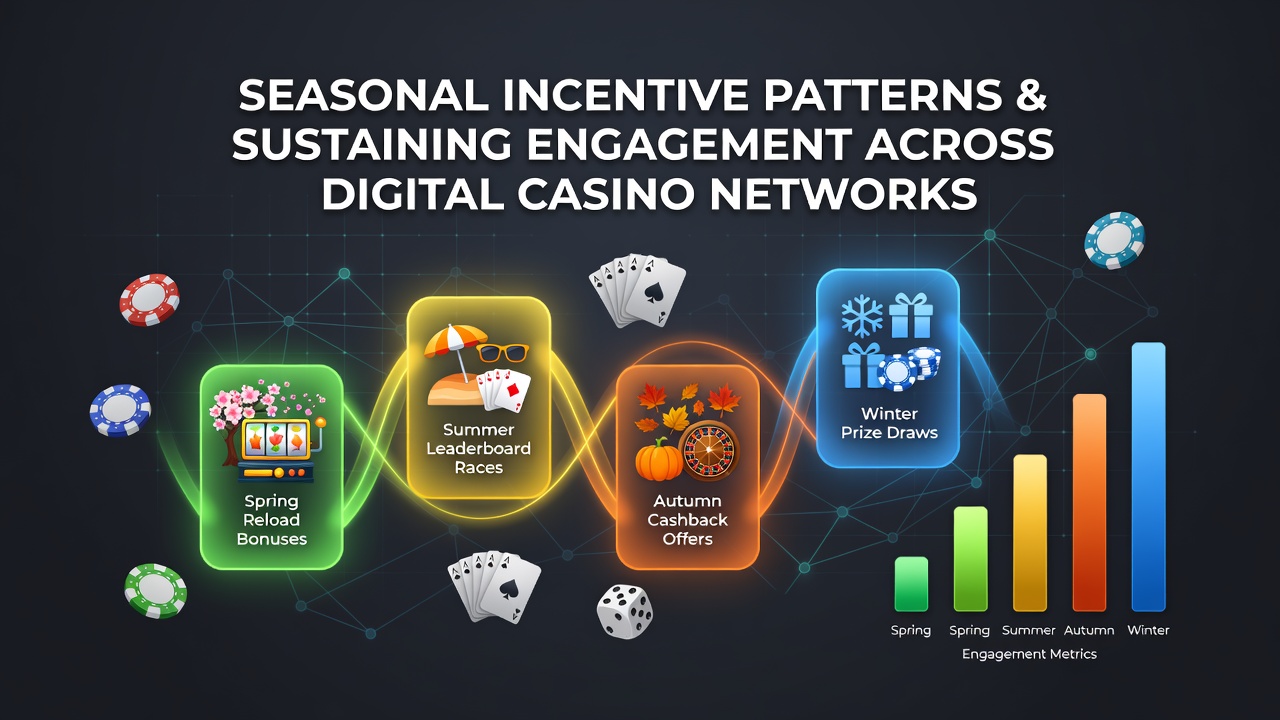
Digital casino networks deploy seasonal incentive patterns to align reward structures with calendar events, player activity peaks, and regional holidays, creating cycles that encourage repeated logins and sustained participation throughout the year. These patterns typically feature escalating bonuses during high-traffic periods such as year-end celebrations, summer travel seasons, and spring tournaments, while maintenance rewards fill quieter months to prevent drop-off.
Core Mechanics of Seasonal Reward Cycles
Operators structure incentives around predictable external triggers including national holidays, sports seasons, and weather-related behavioral shifts, which data from multiple platforms consistently link to changes in login frequency and deposit volumes. Summer campaigns often emphasize extended play sessions with progressive multipliers tied to consecutive days of activity, whereas winter promotions incorporate bundled free spins and cashback tied to specific game categories popular during indoor periods. Researchers tracking retention metrics across networks note that these timed releases correlate with measurable lifts in daily active users, particularly when incentives reset on a weekly or bi-weekly basis within each seasonal window.
Platforms further refine these cycles by segmenting offers according to player tenure and historical spend, allowing new registrants to receive entry-level holiday packs while longer-term users unlock tiered loyalty bridges that carry forward unused points into subsequent seasons. This segmentation draws from aggregated user data that reveals distinct engagement curves, with casual participants responding strongly to short-term flash events and dedicated players favoring accumulation mechanics that span multiple months.
Retention Data and Platform Adjustments in Mid-2026
Figures released by the Nevada Gaming Control Board through the first half of 2026 indicate that networks incorporating seasonal resets experienced steadier month-over-month retention compared with those relying on static reward menus. July 2026 promotions, positioned between major summer events and pre-fall campaigns, introduced mid-year loyalty accelerators that bridged the gap between Independence Day bonuses and upcoming autumn tournaments, resulting in documented upticks in cross-game exploration as players chased completion thresholds.
Analysts examining these patterns observe that successful implementations pair visual calendars with push notifications timed to local time zones, which reduces friction when players claim daily increments or activate limited-time multipliers. Networks in regulated markets have also begun testing variable expiry windows that extend through entire seasonal blocks rather than resetting abruptly, a shift that aligns with findings from industry reports showing prolonged claim periods increase overall redemption rates without inflating bonus liability beyond projected budgets.
Integration With Broader Loyalty Frameworks
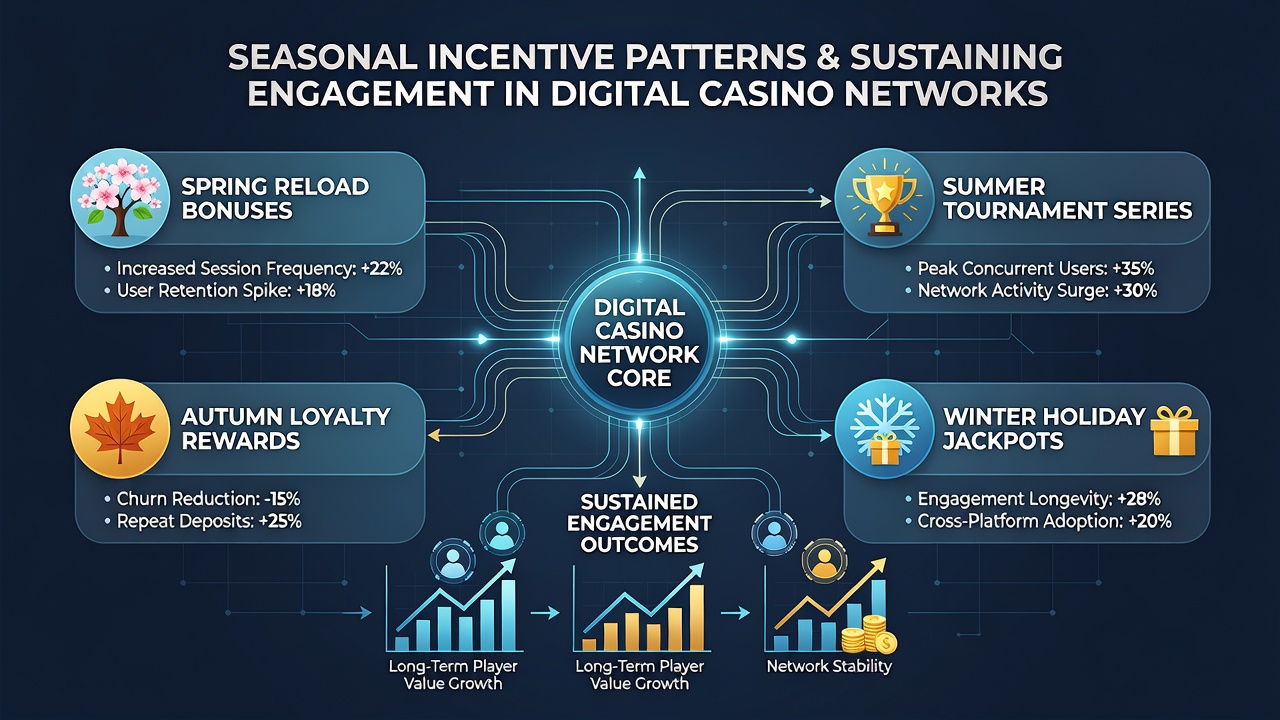
Seasonal incentives rarely operate in isolation; instead they feed into tiered loyalty systems by awarding bonus points that accelerate progression toward VIP status or unlock exclusive events scheduled for later quarters. This interconnection allows operators to maintain momentum across slower periods because accumulated seasonal earnings carry measurable value into the next cycle, encouraging players to remain active rather than pausing until the next major promotion window opens. Data from the American Gaming Association highlights that networks employing this approach report higher lifetime value per user, particularly when seasonal milestones align with major sporting calendars or regional festivals that draw new audiences.
Cross-platform exchanges have emerged as another layer, where points earned during one network's summer campaign convert into credits usable on partner sites during their respective seasonal windows. Such bridges reduce player churn by giving frequent users flexibility to shift activity without losing progress, a tactic that has gained traction in multi-jurisdiction operations spanning North America and parts of Asia-Pacific markets.
Future Adjustments and Measurement Approaches
Operators continue refining seasonal models through A/B testing of incentive density, timing intervals, and personalization depth, with particular attention to mobile notification fatigue and regional regulatory constraints on bonus advertising. Academic studies from institutions such as the University of Nevada, Las Vegas, have begun quantifying how different seasonal cadences affect problem gambling indicators, prompting some networks to embed responsible play messaging directly into reward calendars. These efforts suggest that future seasonal patterns will incorporate more granular player feedback loops, allowing dynamic adjustment of offer frequency based on real-time engagement signals rather than fixed annual schedules.
Conclusion
Seasonal incentive patterns function as structured calendars that synchronize reward delivery with external events and internal retention goals, producing measurable effects on login consistency and deposit behavior across digital casino networks. Continued monitoring by regulatory bodies and research organizations will shape how these cycles evolve, particularly as platforms balance engagement targets with compliance requirements in expanding markets.