Revealing Integration Trends in Loyalty Rewards and VIP Programs Across Digital Platforms
Written by Vera Schröder · Jun 15, 2026
Revealing Integration Trends in Loyalty Rewards and VIP Programs Across Digital Platforms
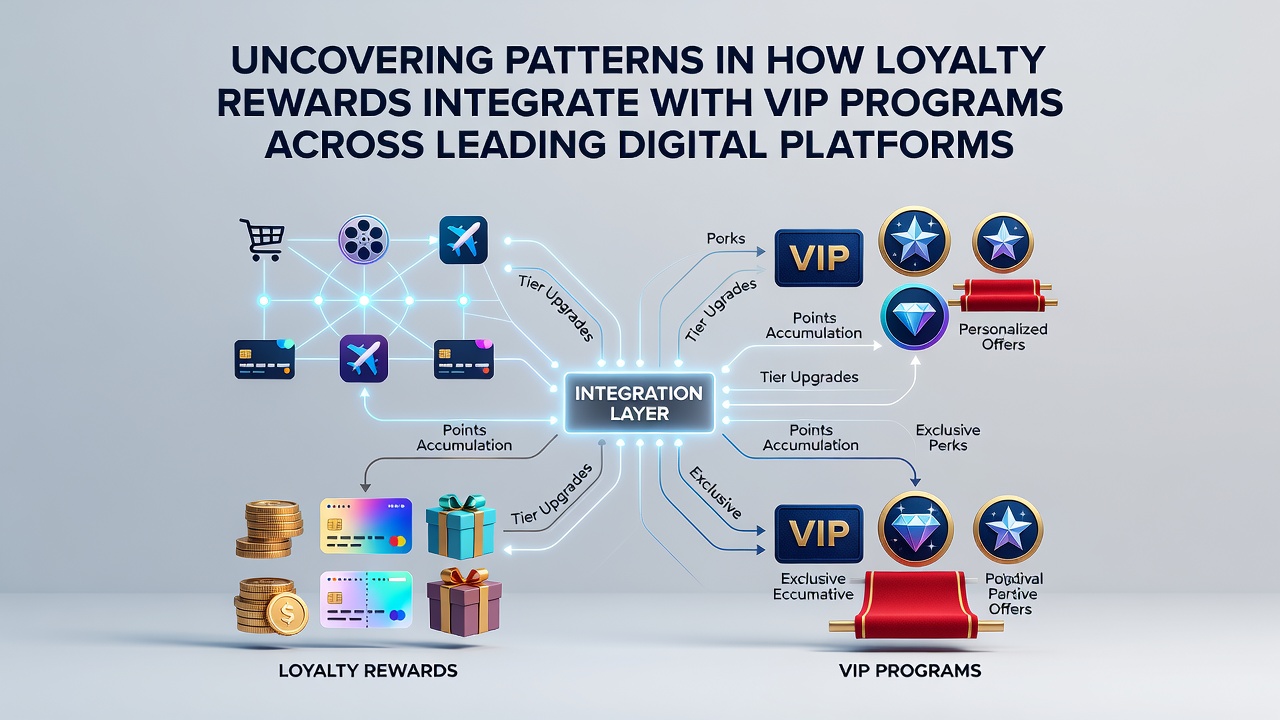
Digital platforms have developed structured systems where loyalty rewards feed directly into VIP programs, creating pathways that convert routine activity into elevated status benefits, and observers note these connections follow recurring patterns across multiple operators. Research indicates that points earned through standard play often accumulate toward tier thresholds, while bonus credits and free spins serve as entry-level incentives that transition users into higher-value segments. Data from industry analyses shows this integration typically relies on algorithmic tracking that monitors spend frequency alongside engagement metrics to determine eligibility for VIP perks such as personalized offers and expedited withdrawals.
Core Mechanisms Driving the Connections
Patterns emerge when loyalty accumulation systems link to VIP qualification criteria through shared databases that update in real time, allowing a player's progress in one area to influence status in the other, and experts have observed that many platforms set minimum point requirements that double as gateways to tiered access. According to figures from the Nevada Gaming Control Board annual reports, operators in regulated markets maintain records where loyalty points contribute to both reward redemptions and VIP invitations, creating dual-purpose tracking that reduces administrative overhead while increasing retention rates. Those who've examined these setups find that expiry rules often apply uniformly, meaning unused loyalty points and pending VIP milestones reset on synchronized schedules that encourage consistent participation.
Cross-Platform Variations in June 2026 Updates
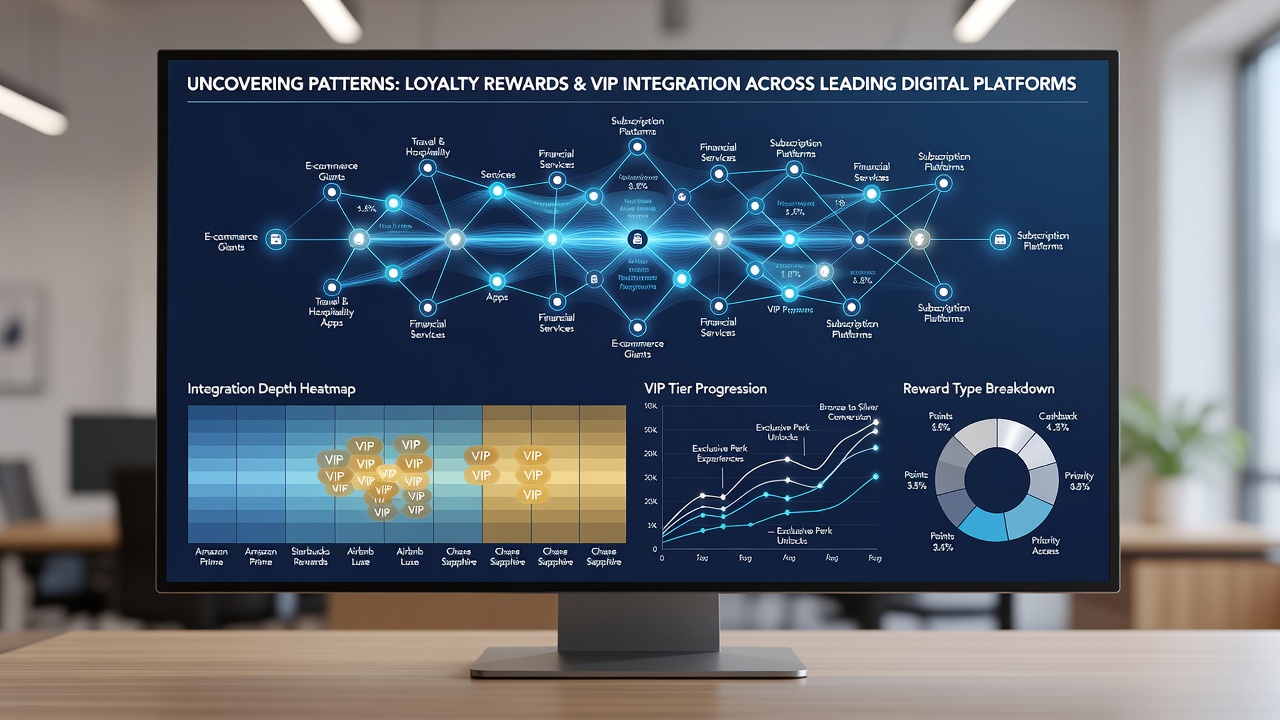
By June 2026 several leading platforms introduced refinements to their integration models, with some adopting dynamic multipliers that accelerate VIP progress based on loyalty point velocity, whereas others implemented cross-category bonuses where rewards from one game type feed VIP standing across the entire ecosystem. Researchers discovered that these adjustments frequently align with seasonal activity peaks, and data indicates platforms in North American markets adjusted thresholds to reflect regional player behaviors documented in state regulatory filings. People who track these changes note that integration often incorporates predictive elements, where machine learning anticipates when a user might reach the next VIP level and surfaces targeted loyalty incentives to bridge any gaps.
Regional Regulatory Influences on Integration Patterns
Regulatory frameworks shape how these integrations operate, with bodies such as the New Jersey Division of Gaming Enforcement requiring transparent reporting on how loyalty data informs VIP access, and similar oversight appears in Australian markets where the Australian Institute of Family Studies has compiled research on reward system transparency. Observers note that platforms operating under these guidelines tend to publish clear conversion tables showing loyalty point values relative to VIP tier benefits, which reduces disputes and supports compliance audits. Evidence suggests that operators in these jurisdictions also incorporate responsible play features directly into the integration, such as automatic tier pauses when spending patterns trigger predefined limits.
Examples of Shared Data Flows
Take one major platform that routes loyalty points from daily logins into a VIP progression meter visible on the user dashboard, while another uses spend-based multipliers that simultaneously credit both reward wallets and tier advancement, and analysts have documented these dual-credit models across several operators. Studies found that when platforms enable point exchanges between loyalty and VIP ledgers, users experience smoother transitions, although the underlying algorithms remain proprietary. What's interesting is how certain integrations embed social features, where group challenges contribute to collective VIP unlocks alongside individual loyalty tracking.
Future Trajectories Based on Current Data
Current patterns point toward deeper embedding of loyalty mechanics within VIP frameworks through unified user profiles that persist across device types and game categories, and reports indicate continued testing of blockchain elements for verifiable point histories in select markets. Those who've studied the evolution note that integration depth correlates with platform scale, as larger operators leverage more sophisticated analytics to personalize the journey from entry-level rewards to elite status. Figures reveal that retention metrics improve when the two systems operate without friction, prompting ongoing refinements documented in quarterly industry summaries.
Conclusion
The documented patterns demonstrate consistent architectural choices where loyalty rewards serve as foundational inputs for VIP program advancement across digital platforms, supported by regulatory oversight and technological tracking that maintains alignment between the two systems. Evidence from multiple jurisdictions shows these integrations continue to evolve through incremental updates that respond to player data and compliance requirements, resulting in frameworks that balance accessibility with exclusivity. Researchers continue to monitor how these connections develop, particularly as platforms incorporate new features that further link everyday activity to premium benefits.