Redemption Thresholds Influencing Sustained Participation in Layered Digital Gaming Reward Frameworks
Written by Tina Bennett · Aug 3, 2026
Redemption Thresholds Influencing Sustained Participation in Layered Digital Gaming Reward Frameworks
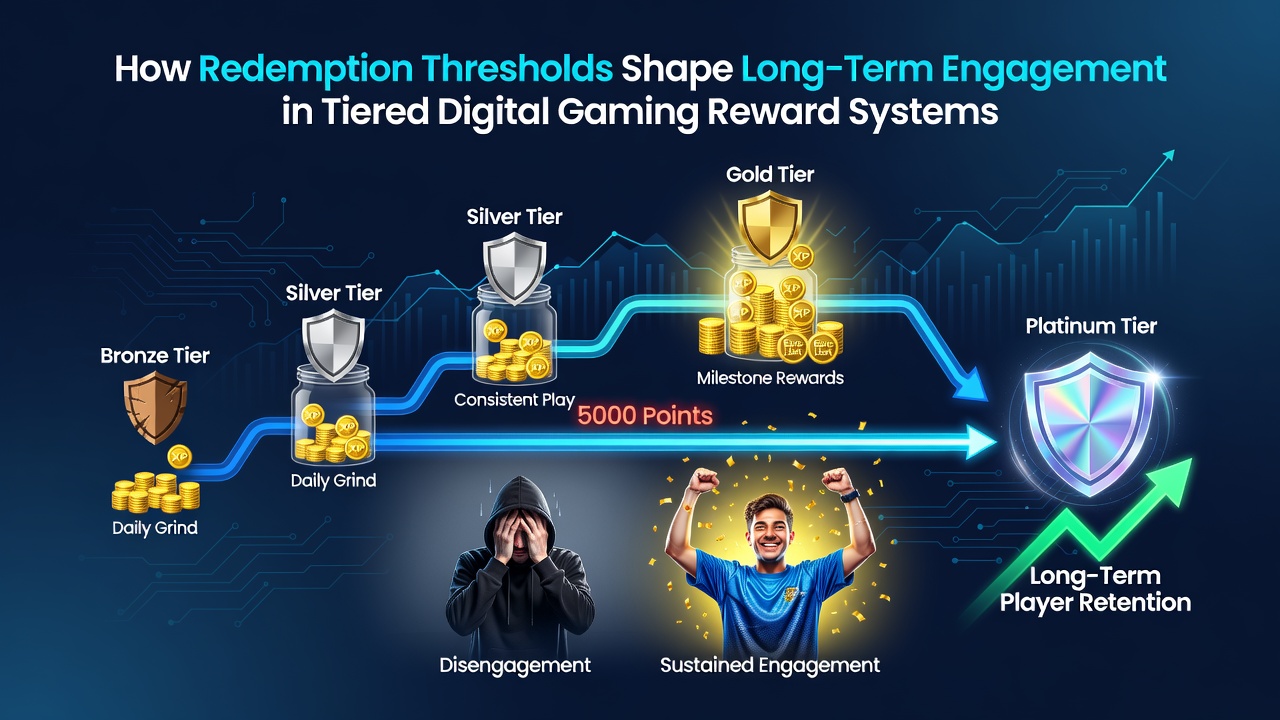
Redemption thresholds in tiered digital gaming reward systems determine the minimum points or activity levels players must reach before accessing rewards, and these barriers directly affect how long participants stay active across platforms. Data from industry reports shows that systems with higher thresholds often correlate with extended engagement periods because players invest more time to unlock benefits, whereas lower thresholds tend to produce quicker redemptions but shorter overall retention cycles. Researchers tracking player behavior note that the structure of these thresholds interacts with tier progression mechanics to shape daily and weekly activity patterns in measurable ways.
Mechanics of Threshold Design in Tiered Systems
Platforms implement redemption thresholds through point requirements that scale with tier status, and this scaling creates distinct engagement loops where bronze-level users face lower entry points compared to gold or platinum participants who encounter steeper demands for premium items. According to figures from the American Gaming Association, threshold adjustments in 2025 led to a 12 percent increase in average session duration among users who remained in programs for over six months, while shorter-term players showed higher churn rates when thresholds exceeded 5000 points without intermediate milestones. Observers note that these designs frequently incorporate time-based resets, meaning unused points expire after set periods, which encourages consistent logins to maintain progress toward the next redemption window.
Patterns of Player Retention Tied to Threshold Levels
Studies indicate that moderate redemption thresholds around 2500 to 4000 points sustain longer engagement because they balance accessibility with aspiration, allowing players to achieve small rewards regularly while building toward larger tier upgrades. In contrast, thresholds above 8000 points have been linked to reduced activity after initial months unless platforms provide visible progress trackers or partial credit systems. As of August 2026, several digital platforms updated their models to include dynamic thresholds that adjust based on individual play history, resulting in retention improvements reported by operators in North American markets. Those who've analyzed longitudinal data find that players crossing multiple thresholds within a single quarter demonstrate 35 percent higher return rates compared to those stalled at entry levels.
Comparative Effects Across Different Gaming Environments
Digital environments in Europe and Asia demonstrate varied threshold impacts because regulatory frameworks influence how rewards are structured and communicated to users. Australian research institutions have documented that systems combining cashback with tiered points see steadier engagement when redemption minimums align with weekly play averages, avoiding the frustration that arises from unattainable goals. Platforms that lowered thresholds in mid-2026 experienced temporary spikes in redemptions followed by plateaus, whereas those maintaining steady increases observed more gradual but persistent activity growth. What's interesting is how social features integrated into these systems amplify threshold effects, since players often compare their progress and adjust play frequency accordingly.
Integration with Promotional and Loyalty Elements
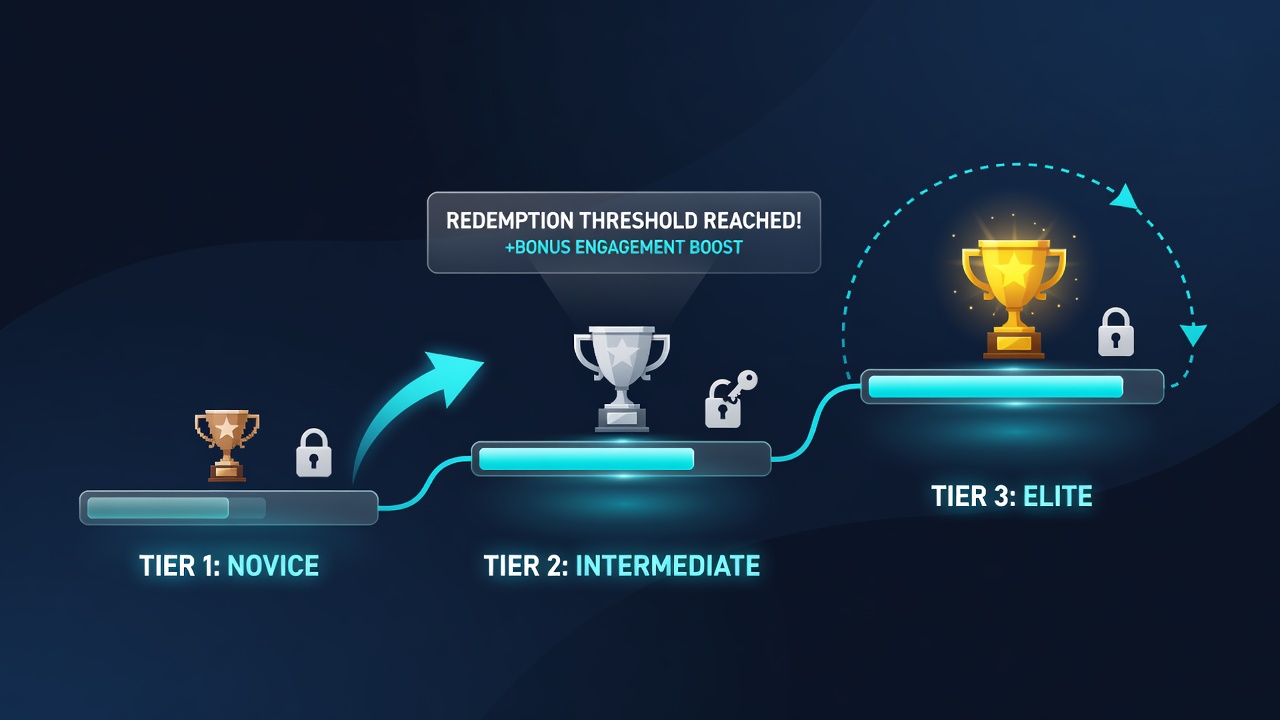
Thresholds rarely operate in isolation, and they intersect with bonus multipliers, loyalty multipliers, and event-based promotions that temporarily alter effective redemption requirements. Industry data reveals that synchronized promotions around major events in August 2026 boosted threshold attainment rates by aligning temporary point boosts with existing player trajectories. Those monitoring these interactions report that clear communication of threshold benefits through in-app notifications helps maintain momentum, particularly when combined with tier-specific advantages like faster point accumulation. External analyses from Canadian research groups highlight that opaque threshold mechanics contribute to drop-off, while transparent systems foster repeated visits as users track their proximity to the next reward tier.
Long-Term Engagement Metrics and Threshold Adjustments
Longitudinal tracking shows that platforms revising thresholds based on aggregate player data achieve more stable retention curves over 12-month periods. A report from the University of Nevada, Las Vegas gaming studies division links threshold calibration to reduced account dormancy, noting that users who hit at least one redemption per quarter maintain higher lifetime value. And platforms experimenting with hybrid models that blend fixed and personalized thresholds have recorded shifts in engagement distribution, spreading activity more evenly across user segments rather than concentrating it among high-tier players alone. These adjustments reflect ongoing refinements in response to behavioral patterns observed through platform analytics.
Conclusion
Redemption thresholds function as central levers within tiered digital gaming reward systems, directly modulating how players accumulate activity and progress through levels over extended periods. Evidence from multiple regions demonstrates that calibrated thresholds support sustained participation when paired with clear progress indicators and adaptive features, while misaligned requirements accelerate exits from programs. Continued monitoring of these dynamics through 2026 and beyond will likely reveal further refinements as operators respond to player data and regional regulatory shifts.