Progressive Credit Systems Fueling Sustained Engagement in Mobile Environments
Written by Leon Patterson · Jul 20, 2026

Progressive Credit Systems Fueling Sustained Engagement in Mobile Environments
Progressive credit systems operate through structured accumulation mechanisms where users earn incremental rewards based on consistent activity levels, and these frameworks have become central to how mobile platforms maintain long-term user bases. Data from multiple industry analyses reveal that platforms integrating tiered credit models see measurable improvements in session frequency and duration compared to those relying on static incentives alone.
Core Components of Progressive Credit Models
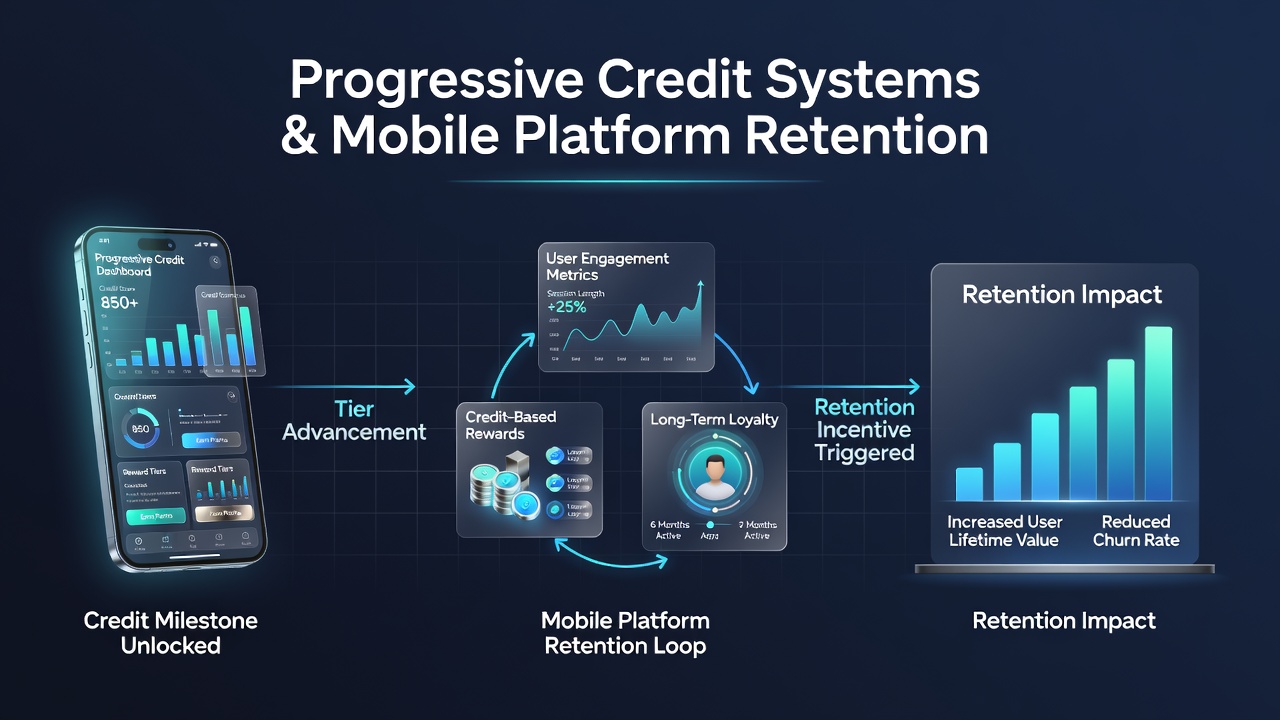
These systems typically feature escalating reward thresholds that unlock additional benefits as users advance through defined stages, and the structure encourages repeated interactions by tying higher value returns to sustained participation. Observers note that credits often reset or carry forward according to platform-specific rules, creating predictable yet motivating cycles that align with user behavior patterns tracked through analytics tools.
Developers design these models around variables such as login streaks, in-app purchases, and social sharing metrics, while algorithms adjust credit rates dynamically based on aggregate user data collected over months. Research indicates that transparent progression displays within the app interface help users visualize their advancement, which correlates with higher return rates according to platform performance reports.
Implementation Patterns Across Mobile Sectors
Mobile gaming applications represent one prominent area where progressive credits integrate with daily challenges and event-based bonuses, and financial apps have adopted similar structures to reward consistent transaction habits. Telecommunications providers in regions like Australia and Canada apply these systems to encourage data plan upgrades and add-on services through accumulated credits redeemable for service enhancements.
One study released in July 2026 by the Canadian Institute for Digital Economy documented how credit progression influenced retention metrics across 47 mobile platforms, showing average user lifespan extending by 18 percent when credits scaled with activity volume. The findings highlight differences in effectiveness between platforms serving North American versus European markets, where regulatory environments shape reward structures differently.
Retention Dynamics Driven by Credit Progression
Retention improves when users perceive clear pathways to meaningful rewards, and progressive systems capitalize on this by spacing out higher-tier benefits at intervals that match typical engagement drop-off points identified in behavioral datasets. Platforms that refresh credit earning opportunities seasonally or through limited-time multipliers maintain momentum even among long-term users who might otherwise reduce activity.
Industry reports from the Asia-Pacific Gaming Association show that mobile platforms combining credit systems with cross-device synchronization achieve stronger retention because users maintain progress regardless of whether they switch between phones and tablets. This continuity reduces friction that often leads to churn in less integrated environments.
Comparative Data from Regional Platforms
Platforms operating under the oversight of the Australian Communications and Media Authority demonstrate how progressive credits adapt to local compliance requirements while still driving engagement, whereas those in the United States follow state-level guidelines that influence reward redemption options. Figures reveal that European platforms, guided by directives from the European Commission on digital services, emphasize data privacy in credit tracking systems, which affects how progression data gets stored and utilized.
A 2026 analysis conducted by researchers at the University of Melbourne examined 12 mobile platforms and found that credit systems incorporating both individual and community-based milestones produced the most stable retention curves over 12-month periods. Users who participated in group challenges alongside personal credit accumulation showed lower attrition rates during slower engagement months.
Technical Integration and User Interface Considerations
Backend systems supporting progressive credits require robust tracking databases capable of handling real-time updates across millions of concurrent sessions, and front-end displays must present progression status without overwhelming the primary app functions. Developers frequently employ push notifications calibrated to individual credit milestones to prompt returns at optimal times based on historical usage data.
Security protocols around credit ledgers have tightened following increased scrutiny from regulatory bodies in multiple jurisdictions, ensuring that earned values remain protected against unauthorized access or manipulation. These measures support user trust, which indirectly contributes to retention by reducing concerns over account integrity.
Conclusion
Progressive credit systems continue to evolve as mobile platforms refine their approaches to user retention through data-informed adjustments and regional adaptations. Evidence from academic and regulatory sources demonstrates consistent associations between well-structured credit progression and extended user engagement across diverse application categories. Platforms that balance earning accessibility with meaningful reward scaling maintain competitive positions in retention metrics tracked industry-wide.