Optimizing Reward Deployment Sequences for Prolonged User Activity in Digital Gaming Environments
Written by Tina Bennett · Aug 17, 2026
Optimizing Reward Deployment Sequences for Prolonged User Activity in Digital Gaming Environments
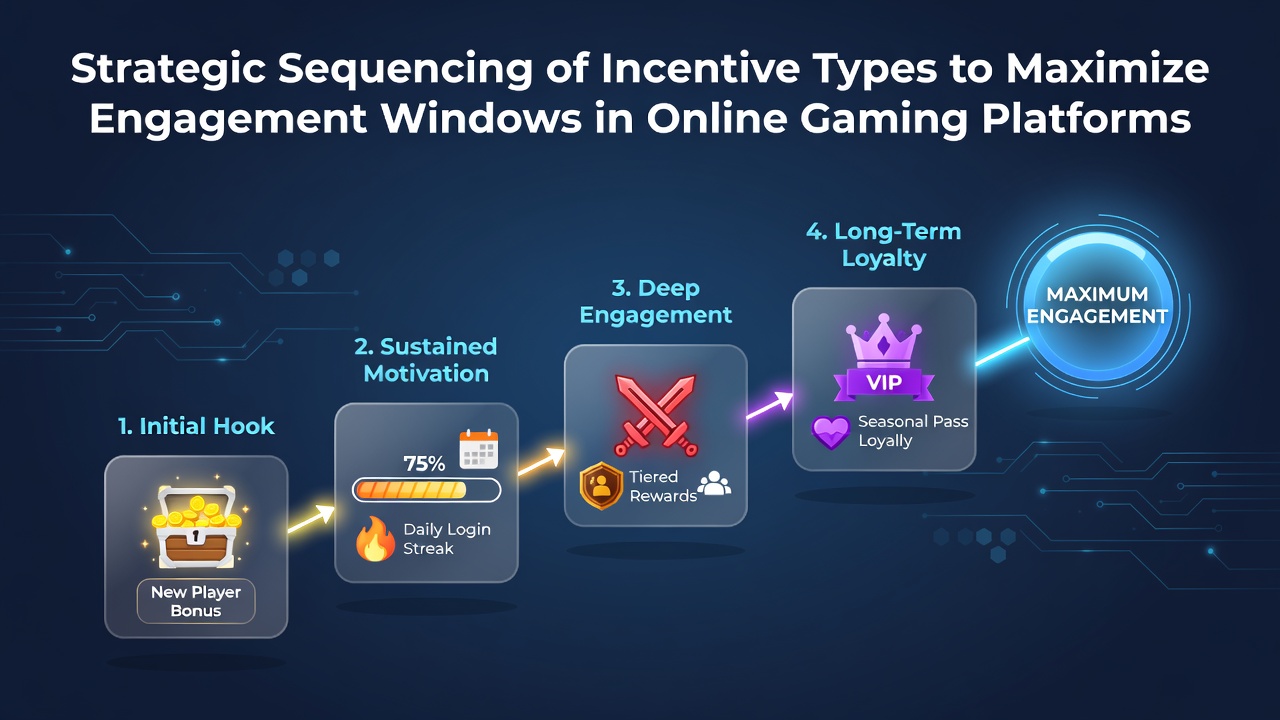
Online gaming platforms apply sequenced incentives in deliberate patterns that align with observed player behavior cycles, and this approach draws from patterns tracked across multiple jurisdictions where operators adjust reward timing to match session lengths and return frequencies. Data from regulatory filings shows that platforms in regions like New Jersey and Victoria, Australia, coordinate bonus types such as initial deposit matches, mid-session free rounds, and end-of-period cash adjustments to create overlapping motivation points rather than isolated offers.
Initial Entry Incentives and Early Session Activation
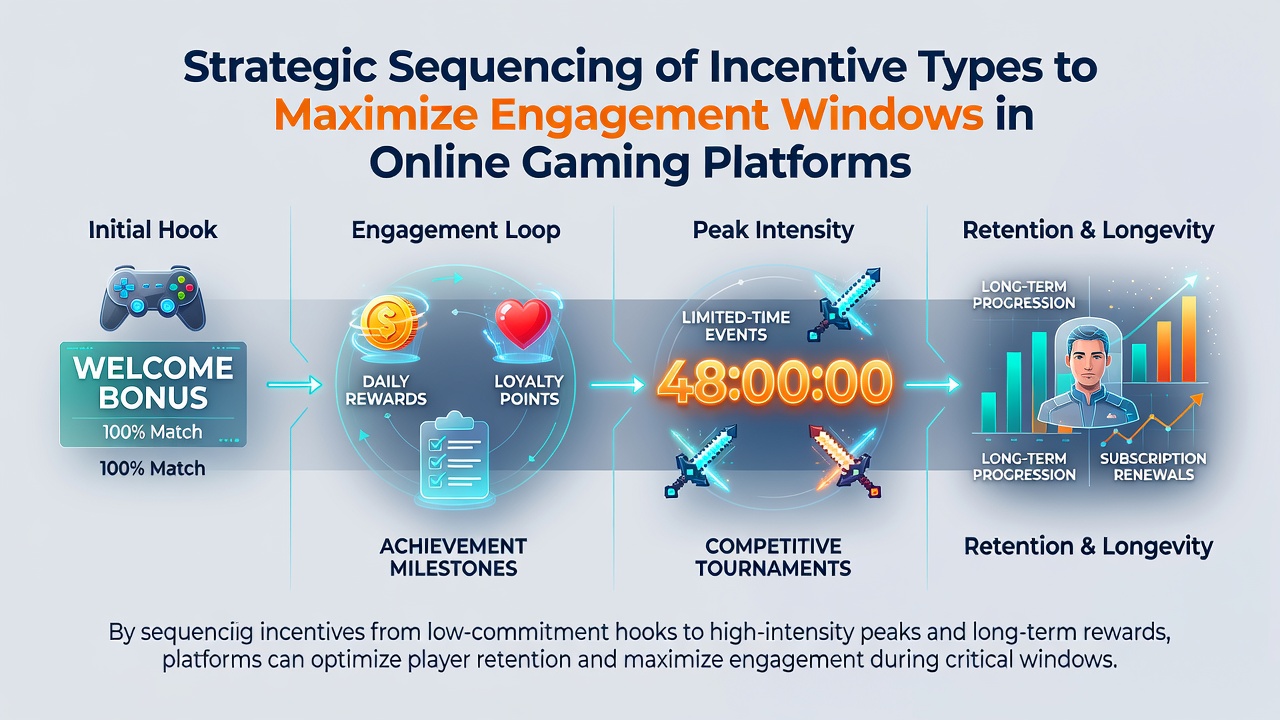
Operators introduce welcome packages at registration to establish first contact, yet they follow these with immediate secondary triggers like limited-time spin bundles that activate within the opening minutes of play. Industry analyses indicate that this pairing extends average first-session duration by aligning the perceived value of entry rewards with quick-win mechanics, while data collected through platform analytics reveals higher completion rates when free spin allocations appear right after deposit confirmation instead of delayed delivery.
Mid-Session Layering of Accumulation Mechanics
Once players pass the entry phase, platforms shift toward point-based systems that accumulate across repeated actions, and these systems integrate with temporary multipliers that activate at predetermined thresholds. Research reports from academic groups studying digital behavior patterns document how loyalty point escalations placed around the 20-to-40-minute mark sustain momentum during typical drop-off periods, whereas cashback previews delivered via in-game notifications help bridge to subsequent login windows. Observers note that combining these elements avoids the flat engagement curves seen when single incentive types dominate entire sessions.
Platforms also incorporate regional adjustments, with operators licensed under frameworks like those overseen by the New Jersey Division of Gaming Enforcement testing sequence variations that respond to local time-zone activity peaks. Figures released in quarterly compliance summaries show measurable differences in repeat login rates when progression rewards follow a fixed order versus randomized delivery.
End-of-Window Recovery and Cross-Session Bridges
Weekly or session-close mechanisms such as loss-recovery credits appear after activity thresholds are met, and these credits connect directly to upcoming promotional calendars that highlight personalized reload opportunities. Reports compiled by groups like the Victorian Commission for Gambling and Liquor Regulation track how placing recovery offers 24 to 48 hours after peak play windows increases return probability without requiring new deposits, while the same data sets indicate that premature deployment of recovery tools can reduce the motivational impact of earlier incentive layers.
Sequencing extends further when platforms link VIP tier advancements to cumulative activity across calendar periods, creating bridges that span multiple engagement windows. Case examples from platform operators reveal that tiered unlock notifications timed immediately after cashback claims produce chained login events, whereas isolated tier announcements generate lower follow-through rates according to internal metrics shared in industry roundtables.
Regional Data Patterns and Platform Adjustments
Comparative reviews across North American and Asia-Pacific markets illustrate that successful sequences adapt to regulatory constraints on bonus frequency and value caps. Platforms operating under stricter disclosure rules publish aggregated retention statistics that correlate ordered incentive releases with extended monthly active user counts, and these statistics often reference adjustments made during periods such as August 2026 when seasonal traffic shifts prompted recalibrations in reward timing.
Academic papers examining behavioral datasets further demonstrate that interleaving skill-based progression rewards with chance elements maintains attention across varying player archetypes, while pure reliance on one category leads to earlier exits. Operators incorporate these findings by mapping incentive order against heat-map visualizations of login timestamps, allowing real-time tweaks that align with observed cohort behaviors.
Conclusion
Strategic sequencing of incentive types therefore functions as a coordinated system rather than a collection of standalone offers, and evidence from regulatory filings, compliance reports, and platform analytics supports the view that deliberate ordering extends engagement windows across diverse player groups. Continued monitoring of return patterns and session metrics allows operators to refine these sequences in response to shifting usage data while remaining within established regulatory boundaries.