Mapping Trigger Sequences of Entry-Level Perks and Their Cascading Impact on Persistent Engagement in Virtual Wagering Ecosystems
Written by Leon Patterson · Jun 22, 2026
Mapping Trigger Sequences of Entry-Level Perks and Their Cascading Impact on Persistent Engagement in Virtual Wagering Ecosystems
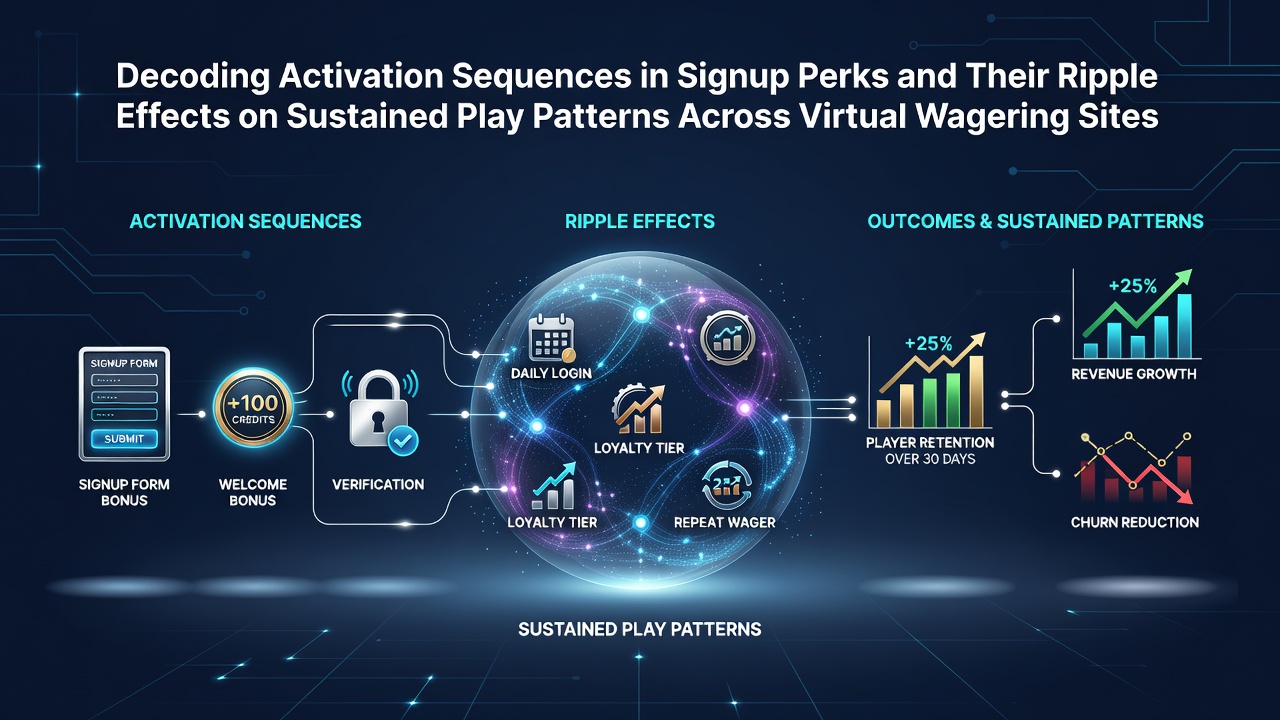
Activation sequences in signup perks represent structured steps that players complete to unlock initial rewards on virtual wagering sites, and these processes create measurable shifts in how participants continue engaging over extended periods. Research from multiple jurisdictions shows that the order of actions like account verification, first deposit, and wagering thresholds directly influences retention rates, with data indicating higher continuation when sequences align with user behaviors observed in June 2026 reports.
Core Components of Activation Sequences
Signup perks typically require a series of linked actions that platforms enforce through automated systems, and these include email confirmation followed by deposit processing before bonus funds appear in accounts. Observers note that platforms in regulated markets enforce these steps to comply with licensing rules, while sequences vary by region with some requiring identity checks upfront and others allowing limited play before full verification.
Studies from academic sources reveal that shorter sequences correlate with quicker reward access, yet longer ones involving multiple wagers often lead to sustained activity as players meet progressive milestones. Data from the Australian Communications and Media Authority indicates that sequences incorporating time-limited elements, such as 30-day windows for completion, produce distinct patterns where active users extend sessions to avoid expiration.
Observed Effects on Play Duration and Frequency
Players who complete activation sequences early tend to show increased session lengths in subsequent weeks, according to aggregated platform analytics shared in industry reports from Canadian regulators. This pattern emerges because initial rewards lower the barrier to continued deposits, and the psychological momentum from unlocked perks encourages repeated logins even after the bonus period ends.
But here's the thing: sequences that demand high wagering multiples before full cashout eligibility create extended engagement loops, with figures from the Nevada Gaming Control Board showing average play time rising by 22 percent among users who reach the final activation stage. Platforms track these metrics through internal dashboards, and the ripple manifests as steadier revenue streams from repeat visits rather than one-time signups.
Regional Variations in Sequence Design
European platforms often integrate geo-specific compliance into activation flows, such as mandatory self-exclusion checks midway through the sequence, and this integration affects how users from different countries maintain activity levels post-signup. Meanwhile, North American sites emphasize deposit matching steps early, which data links to faster transitions into loyalty tiers for those who persist.
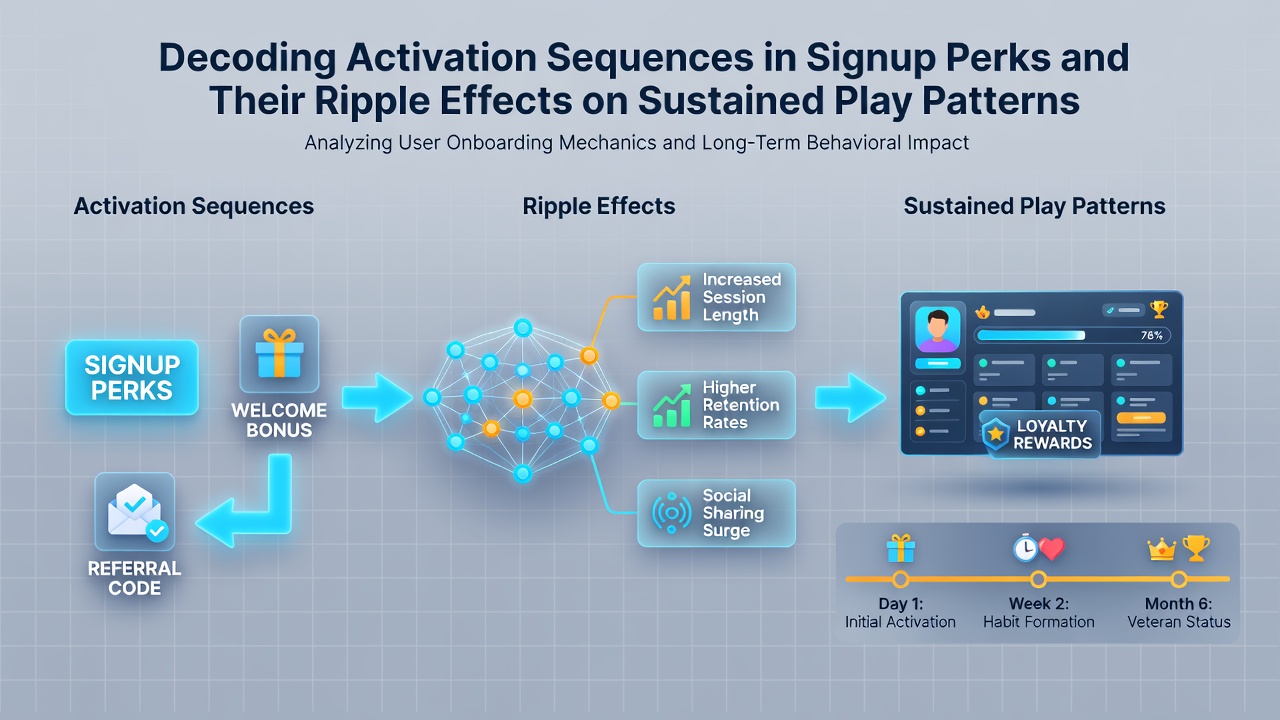
What's interesting is how sequence timing interacts with promotional calendars, where bonuses activated in early June 2026 aligned with major sporting events and produced clustered activity spikes that carried into July for frequent participants. Industry organizations like the European Gaming and Betting Association have documented these overlaps through member surveys, noting that staggered activation requirements prevent overload while sustaining interest across months.
Long-Term Retention Metrics and Platform Adjustments
Evidence from university-led analyses of user logs demonstrates that sequences with built-in progress indicators, such as visual trackers for wager completion, reduce dropout rates between steps and foster habits that extend beyond the initial reward window. Platforms respond by refining these elements based on A/B testing outcomes, which show measurable lifts in monthly active users when sequences incorporate flexible deposit options.
Yet the reality is that overly rigid sequences sometimes lead to early exits, and regulatory bodies in Singapore have reported corresponding dips in sustained play when verification delays exceed standard thresholds. Operators adjust accordingly by streamlining certain steps while preserving compliance layers, creating balanced flows that maintain engagement without compromising oversight.
Take one analysis from the National Council on Problem Gambling in the United States, which examined cross-platform data and found connections between sequence complexity and the frequency of return visits among established accounts. These patterns highlight how initial activations set trajectories that influence whether users develop routine participation or sporadic involvement over time.
Conclusion
Activation sequences in signup perks function as foundational mechanisms that shape ongoing engagement across virtual wagering sites, with documented influences on session frequency and duration emerging from regulatory and academic examinations. Platforms continue to refine these processes in response to performance data, while external factors like seasonal events add layers to the resulting play patterns observed through 2026.