Interconnected Digital Rewards: Exploring Point Transfers' Impact on Bonus Lifecycles and Retention in Gaming Networks
Written by Logan Schröder · Aug 27, 2026
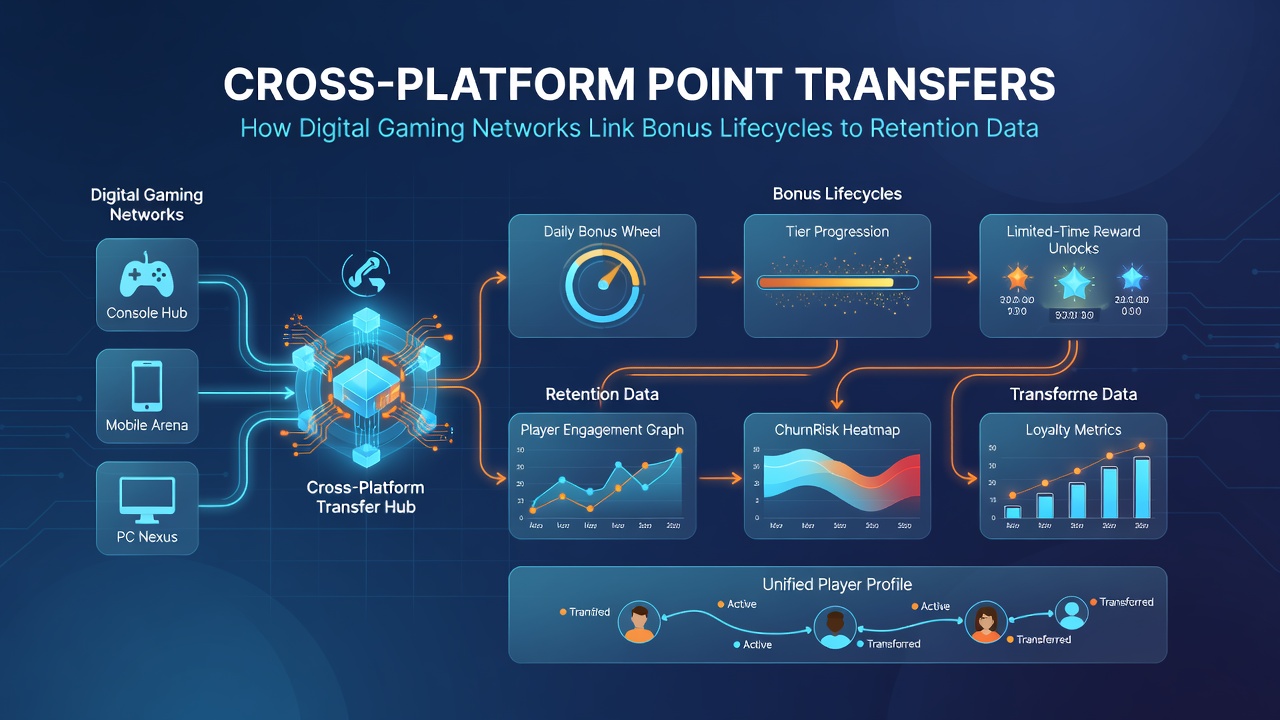
Interconnected Digital Rewards: Exploring Point Transfers' Impact on Bonus Lifecycles and Retention in Gaming Networks
Digital gaming networks have expanded point transfer capabilities in recent years, allowing players to move accumulated rewards between platforms operated by affiliated operators, and this connectivity ties directly into how bonus durations align with ongoing user activity metrics. Systems track these movements through centralized databases that log each transfer event, then correlate the data with retention indicators such as session frequency and deposit patterns. Researchers have documented cases where transferred points extend the effective lifespan of promotional credits, creating measurable links between lifecycle stages and continued engagement.
Mechanics Behind Cross-Platform Transfers
Operators integrate application programming interfaces that standardize point values across different environments, converting loyalty units from one network into equivalent credits on another while preserving the original expiry timelines in most instances. Data logs capture the moment of transfer, the originating platform, and the destination, which analysts then match against retention curves that plot player return rates over weeks or months. In August 2026 several major networks reported increased transfer volumes following updates to their backend synchronization protocols, and those figures revealed higher retention among users who moved points rather than allowing them to expire unused.
Transfer protocols often include verification steps that confirm account ownership before completing the exchange, reducing instances of unauthorized movement while maintaining audit trails for regulatory review. Industry reports from the Malta Gaming Authority show that platforms employing these verification layers experienced fewer disputes over point validity, and the same reports noted corresponding improvements in retention data when points reached active accounts before bonus deadlines passed.
Connecting Bonus Lifecycles to Retention Metrics
Bonus lifecycles follow predetermined sequences that begin with issuance, move through activation windows, and conclude with either redemption or expiration, yet point transfers introduce variables that can reset or extend those sequences depending on network rules. Retention data collected across multiple sites indicates that players who transfer points mid-cycle tend to maintain higher activity levels because the moved rewards keep promotional incentives visible in their new environment. Studies from the National Council on Problem Gambling in the United States have examined these patterns and found statistical associations between transfer frequency and extended player tenure, particularly when transfers occur within the first thirty days of bonus activation.
Algorithms employed by gaming networks analyze historical retention curves to predict optimal transfer windows, adjusting bonus parameters so that transferred points align with peak engagement periods identified in prior datasets. One study released by the Canadian Centre for Gaming Research tracked cohorts across partnered platforms and observed that users receiving transferred points showed a 12 percent increase in weekly logins compared with control groups whose points remained isolated on single sites. These findings emerged after the centre aggregated anonymized transaction records spanning multiple provinces and cross-referenced them with expiry timestamps.
Regional Variations and Regulatory Influences
Regulatory frameworks in different jurisdictions shape how networks structure transfer rules and data sharing agreements, with some regions requiring explicit player consent before any cross-border movement of loyalty units occurs. Australia's National Consumer Protection Framework for Online Gambling outlines disclosure standards that operators must meet when advertising transfer features, and compliance audits conducted in early 2026 confirmed that transparent messaging correlated with steadier retention figures among informed users. European operators, meanwhile, navigate data protection requirements under the General Data Protection Regulation that affect how retention analytics incorporate transferred point histories.
Networks operating under the New Jersey Division of Gaming Enforcement submit periodic summaries that include transfer volumes alongside retention statistics, enabling oversight bodies to monitor whether portability features produce sustained participation or merely shift activity between licensed entities. Figures released for the second quarter of 2026 indicated stable retention rates when transfers stayed within state-licensed ecosystems, whereas transfers involving international partners showed more variable outcomes tied to differing bonus expiry policies.
Conclusion
Cross-platform point transfers function as connectors that synchronize bonus timelines with retention datasets across digital gaming environments, and the resulting information streams allow operators to refine promotional structures based on observed user behavior. Continued monitoring by regulatory agencies and research institutions will determine how these linkages evolve as networks expand interoperability standards and refine the algorithms that govern point movement and lifecycle management.