Examining Interconnections Between Tiered Loyalty Accumulation and Promotional Expiry Patterns in Digital Gaming Environments
Written by Freya Jenkins · May 16, 2026
Examining Interconnections Between Tiered Loyalty Accumulation and Promotional Expiry Patterns in Digital Gaming Environments
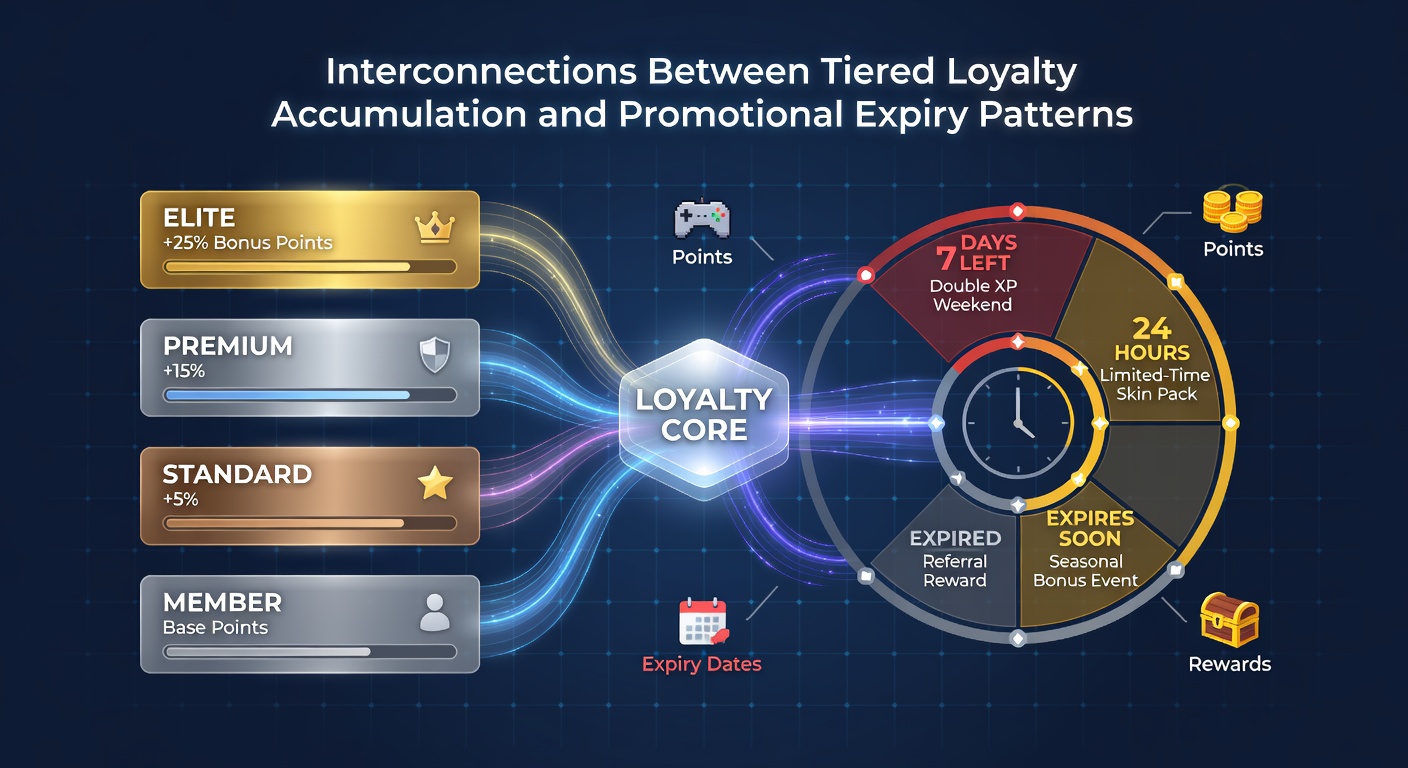
Digital gaming platforms organize player engagement through tiered loyalty systems that track point accumulation alongside promotional offers carrying fixed expiry windows, adn observers note measurable links between these elements across multiple markets. Research from the University of Nevada Las Vegas Center for Gaming Research indicates that players reaching higher tiers encounter adjusted expiry timelines for bonuses and free credits, patterns that emerge from platform algorithms designed to retain activity levels. Data collected through 2025 and into early 2026 reveals consistent correlations where mid-tier users experience shorter windows on certain promotions compared with top-tier accounts, while base-level participants see the most rapid expirations.
How Tiered Loyalty Systems Operate
Platforms assign points based on wager volume, game type, and session frequency, then map those totals onto ascending tiers that unlock incremental benefits. Analysts tracking European and North American operators report that silver and gold tiers often receive automatic extensions on promotional validity periods, a mechanic tied directly to accumulated points rather than separate requests. Figures released by the Nevada Gaming Control Board in March 2026 showed that accounts crossing into platinum status retained active bonuses an average of 14 days longer than standard accounts during the same promotional cycles.
Promotional Expiry Mechanics Across Platforms
Expiry rules typically activate at the moment of reward issuance, with countdowns ranging from 24 hours for flash offers to 30 days for loyalty-based credits. Studies compiled by the Australian Institute of Criminology highlight that expiry enforcement serves dual purposes of urgency creation and inventory management, yet the rules interact with tier status in ways that alter completion rates. Players at lower tiers record higher forfeiture percentages once deadlines pass, whereas elevated tiers display lower drop-off because platforms automatically refresh or extend qualifying offers.
Observed Interconnections in 2026 Data
Patterns documented through May 2026 demonstrate that loyalty tier progression directly influences the timing and frequency of promotional resets. Operators adjust expiry schedules upward for accounts that maintain steady point growth, creating feedback loops where continued play extends future offers. One analysis of Asian-Pacific platforms found that users advancing one tier during a calendar month received expiry extensions on 68 percent of active promotions, compared with 31 percent for those remaining static. These adjustments appear in system logs as automated responses rather than manual interventions.

Cross-platform comparisons reveal regional variations, with Canadian operators more likely to tie expiry lengths explicitly to tier thresholds while U.S. state-licensed sites embed the same logic within broader reward algorithms. Reports issued in April 2026 by provincial regulators noted that higher-tier accounts generate fewer support tickets related to expired credits, suggesting smoother retention when accumulation and expiry rules align.
Platform Algorithms and Player Behavior Patterns
Backend systems monitor real-time point accrual against upcoming expiry events, then trigger targeted communications or automatic renewals for qualifying tiers. Observers tracking user session data find that players nearing a tier threshold often increase activity in the final days before a promotion expires, a response linked to the prospect of extended validity windows. Industry reports from Singapore's gaming authorities indicate similar spikes during May 2026, where mid-tier participants extended sessions by an average of 22 minutes when expiry notices coincided with tier advancement milestones.
Those examining longitudinal datasets note that platforms using unified databases across multiple titles achieve tighter synchronization between loyalty meters and promotional clocks. This integration reduces instances of premature expiry for active users, while accounts with sporadic play continue to see standard countdowns regardless of tier. Evidence from aggregated operator filings shows that synchronized systems correlate with higher overall point redemption rates across all tiers.
Conclusion
The documented connections between tiered loyalty accumulation and promotional expiry patterns rest on measurable platform data rather than isolated events. As operators refine these systems through 2026, the interplay continues to shape how digital gaming environments manage player retention and reward distribution. Continued monitoring by regulatory bodies and research institutions will clarify whether these patterns hold across emerging markets and new game formats.