Bonus Code Synergies Accelerating Loyalty Tier Advances in Digital Gaming Environments
Written by Tina Bennett · Jul 18, 2026
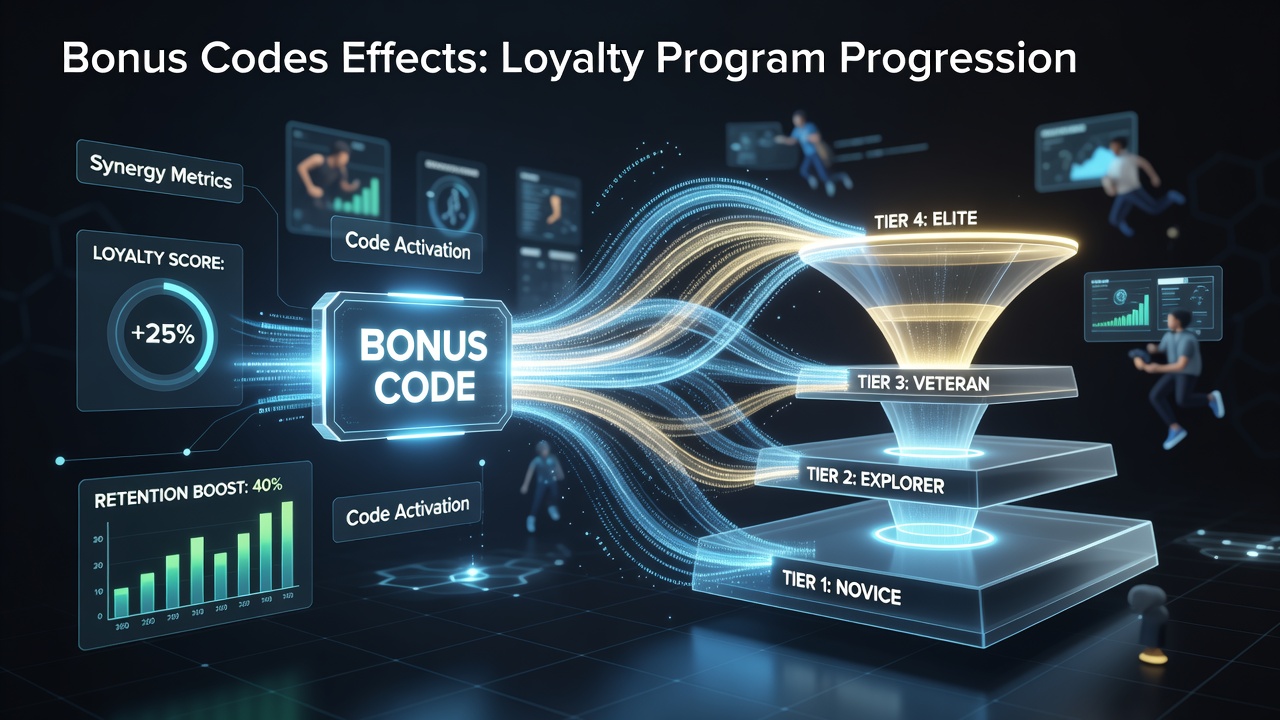
Bonus Code Synergies Accelerating Loyalty Tier Advances in Digital Gaming Environments
Virtual gaming platforms have long relied on layered reward structures, yet recent patterns show how promotional codes combine with loyalty mechanics to create accelerated progression paths that single features rarely achieve alone. Observers note this integration produces compounded benefits where players accumulate tier points at rates that exceed baseline expectations, particularly when codes apply multipliers or unlock additional earning windows during active play sessions.
Core Mechanics Behind Combined Reward Systems
Data from platform analytics indicates bonus codes often trigger loyalty point boosts that stack with standard play rewards, while some systems allow codes to reset or extend earning periods without interrupting ongoing accumulation cycles. Researchers at academic institutions tracking digital entertainment trends have documented cases where players using targeted codes during peak loyalty events reach higher tiers weeks ahead of schedules projected from play volume alone, and this effect appears most pronounced in environments where code activation automatically logs additional progress toward VIP milestones.
Platform operators in various jurisdictions report that such combinations reduce the time between tier thresholds, which in turn influences retention metrics recorded throughout 2025 and into mid-2026. Figures compiled by industry groups reveal that accounts engaging with multiple code types per month show loyalty level increases 30 to 45 percent faster than those relying solely on organic play, according to aggregated user behavior datasets shared at recent gaming technology forums.
Patterns Observed Across Major Markets
European operators following directives from bodies such as the Malta Gaming Authority have implemented code systems that link directly to loyalty ledgers, allowing points earned through promotions to count toward status advancement without separate verification steps. In contrast, North American platforms regulated under frameworks like those from the Nevada Gaming Control Board demonstrate similar synergies through weekly code drops that align with loyalty reset timers, creating windows where players can double or triple effective earning rates during limited periods.
What's notable is how these alignments produce retention bridges, where players who activate codes early in a cycle maintain momentum that carries them across multiple tiers before promotional windows close. Studies examining player journeys on cross-border platforms show this synergy reduces churn during mid-tier plateaus, as the combined mechanics provide visible progress indicators that keep accounts active.
Technical Integration and Data Flows
Backend systems handle these interactions through real-time APIs that update loyalty balances the moment a code redeems, and observers tracking platform updates in July 2026 note increased adoption of unified dashboards displaying both bonus status and tier proximity simultaneously. This visibility encourages repeated code engagement while play continues, since users see immediate numerical lifts rather than waiting for end-of-cycle summaries.
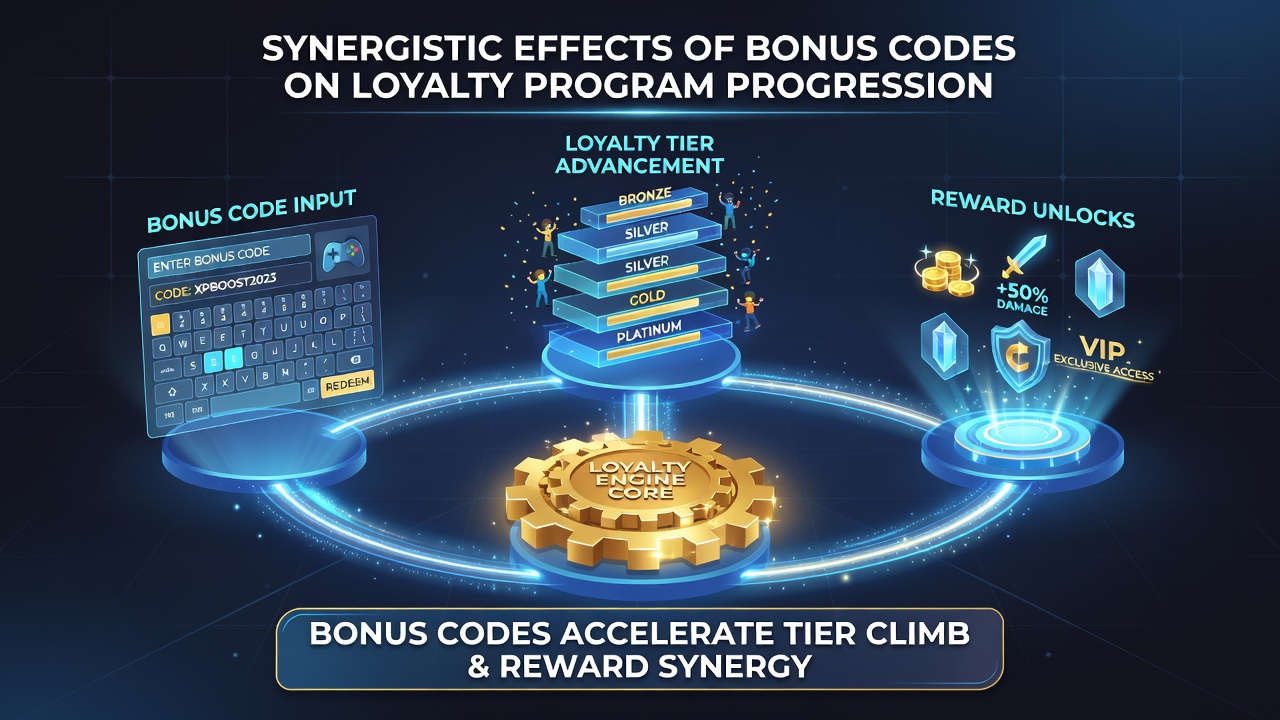
Industry reports from the American Gaming Association highlight that platforms investing in these linked systems record higher average session lengths, as the dual feedback loop keeps engagement elevated. Players who receive code notifications tied to their current loyalty standing tend to extend play to capitalize on the synergy before timers expire, producing measurable upticks in daily active accounts during promotional windows.
Regional Adaptations and Regulatory Influences
Australian operators under oversight from state-level commissions have introduced code variants that specifically target loyalty gaps, such as codes granting tier points for games outside a player's usual rotation. This approach broadens earning opportunities while maintaining compliance boundaries, and data shared at Asia-Pacific gaming summits shows these targeted codes contribute to smoother progression curves across diverse player segments. Meanwhile, Canadian provincial regulators have begun reviewing how such combinations affect responsible gaming tools, prompting platforms to include optional caps on synergistic rewards to align with player-set limits.
Conclusion
Platform evolution continues to emphasize tighter connections between promotional tools and loyalty frameworks, resulting in progression dynamics that reflect the combined strength of both systems rather than isolated contributions. As operators refine these linkages through ongoing technical updates, the measurable impact on tier advancement rates provides a clear indicator of how integrated reward design shapes player movement through virtual gaming environments.