Behavioral Data Analysis Reshaping Personalized Casino Incentives
Written by Freya Jenkins · Aug 6, 2026
Behavioral Data Analysis Reshaping Personalized Casino Incentives
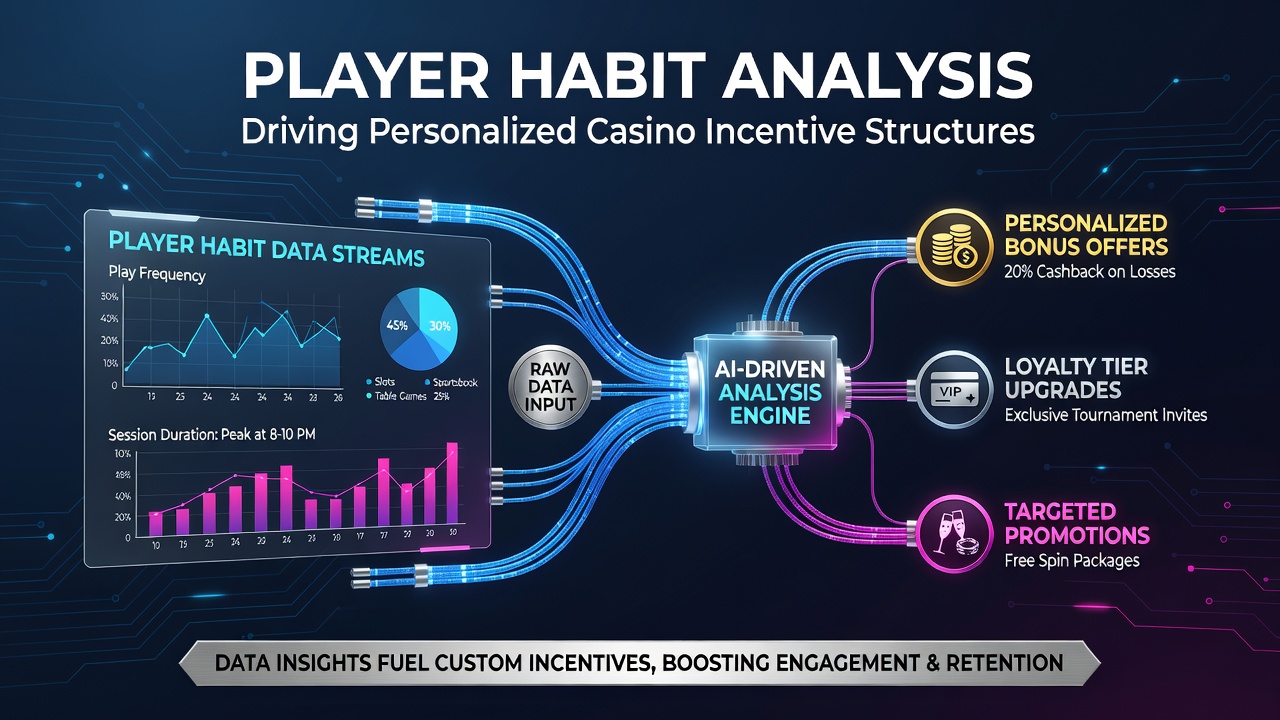
Player habit analysis has become central to how digital gaming platforms design and deliver incentives, with operators examining betting frequency, session duration, game preferences, and deposit patterns to create tailored reward structures that match individual activity levels. Data collected across thousands of accounts shows consistent correlations between specific behaviors and the types of promotions that sustain engagement, leading many platforms to shift from broad bonus offers toward segmented programs that adjust in real time.
Systems track metrics such as average bet size per spin or hand, time spent on particular titles, and response rates to previous offers, then feed these inputs into algorithms that determine eligibility for cashback percentages, free spin allocations, or loyalty point multipliers. In August 2026 several major platforms updated their data models to incorporate cross-device behavior, recognizing that players who switch between mobile and desktop sessions often exhibit different spending rhythms than those who remain on a single interface.
Core Metrics Driving Segmentation
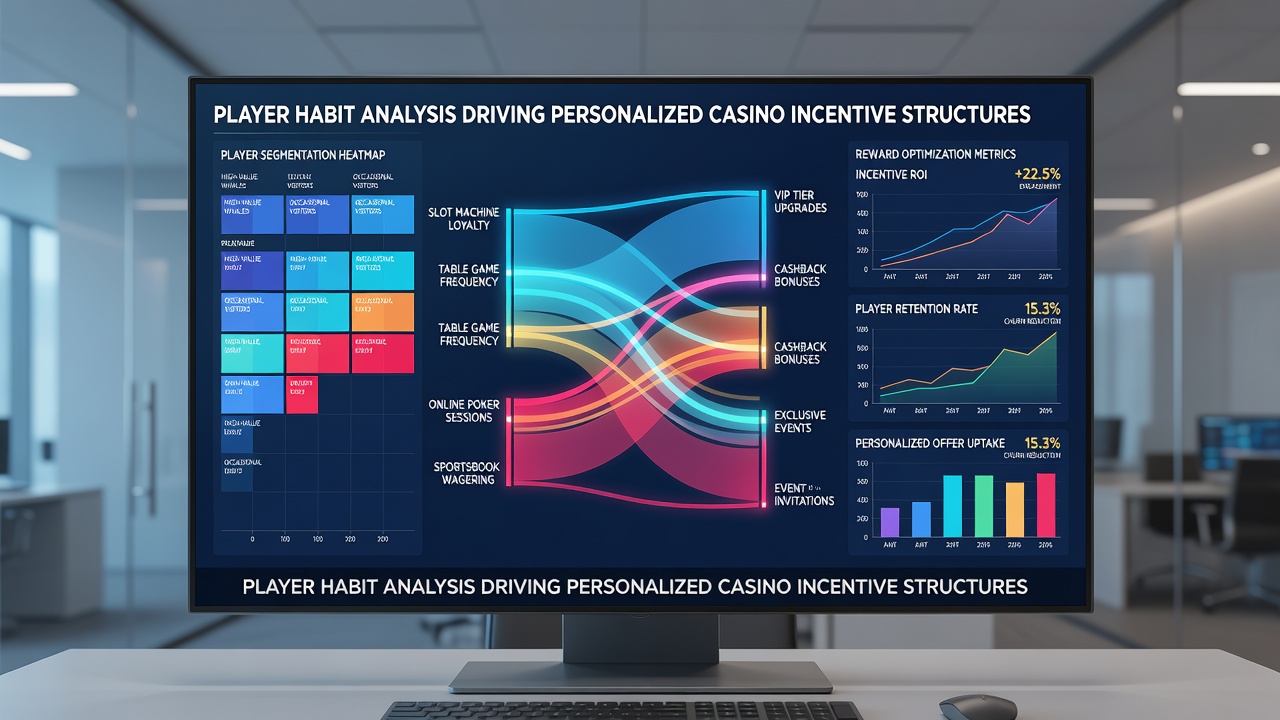
Operators divide player bases into cohorts using variables that include total wagered volume over thirty-day windows, preferred volatility levels in slot or table games, and the ratio of bonus funds to cash deposits. These groupings allow platforms to assign higher-value incentives to accounts showing steady but moderate activity while reserving accelerated VIP progression for those whose patterns indicate rising engagement. Research from the American Gaming Association indicates that platforms using multi-variable segmentation report measurable differences in retention compared with those relying on deposit thresholds alone.
Session length analysis reveals that shorter, high-frequency logins respond better to instant micro-rewards such as small free spin bundles, whereas longer sessions correlate with interest in loss-recovery mechanics or tiered cashback schedules. Platforms adjust incentive expiry windows accordingly, shortening them for quick-session players to encourage repeat visits and extending them for marathon users who may return less often but wager larger amounts per visit.
Integration of Real-Time Adjustments
Modern habit-tracking tools update player profiles after each completed game round, enabling incentive offers to change within the same session if behavior deviates from established norms. A player whose bet sizes increase mid-session might receive an on-the-spot deposit match invitation, while one who reduces activity could see a loyalty boost notification designed to re-engage. These adjustments rely on predefined rulesets that platforms refine using aggregated historical data rather than individual predictions.
Geographic regulatory frameworks influence how deeply operators can personalize offers. Data from iGaming Ontario shows that licensed platforms must maintain transparent records of how behavioral inputs translate into reward eligibility, with periodic audits confirming that segmentation criteria remain consistent across similar player profiles. Similar reporting requirements appear in reports issued by the Malta Gaming Authority, where operators document the logic behind automated incentive decisions to ensure fairness across user groups.
Case Examples from Platform Implementations
One European operator introduced a habit-based loyalty bridge that allowed points earned on slots to convert into table-game credits at rates determined by each player's historical game mix. Accounts that previously split time evenly between categories received higher conversion multipliers, resulting in documented increases in cross-category play volume. Another platform in the Asia-Pacific region adjusted its weekly cashback cycles based on loss patterns observed during peak evening hours, offering elevated recovery percentages to users whose activity clustered between 8 p.m. and midnight local time.
Academic studies, including work published by researchers at the University of Nevada, Las Vegas, have examined how reward timing interacts with measured habit loops, finding that incentives delivered within two hours of a completed session produced stronger repeat-login rates than those scheduled for the following day. Platforms have incorporated these timing windows into their delivery systems, scheduling push notifications and in-app messages to align with observed return patterns rather than fixed calendar dates.
Conclusion
Player habit analysis continues to inform the structure of casino incentive programs through detailed segmentation, real-time profile updates, and regulatory-compliant documentation of decision logic. As platforms refine their data inputs and expand cross-device tracking, the resulting reward frameworks reflect measured activity patterns more closely than static bonus models, with ongoing adjustments guided by aggregated behavioral evidence from diverse regulatory jurisdictions.