Anniversary Milestones and Behavioral Dynamics: Transforming Reward Tiers Across Digital Casino Platforms
Written by Logan Schröder · Jul 13, 2026
Anniversary Milestones and Behavioral Dynamics: Transforming Reward Tiers Across Digital Casino Platforms
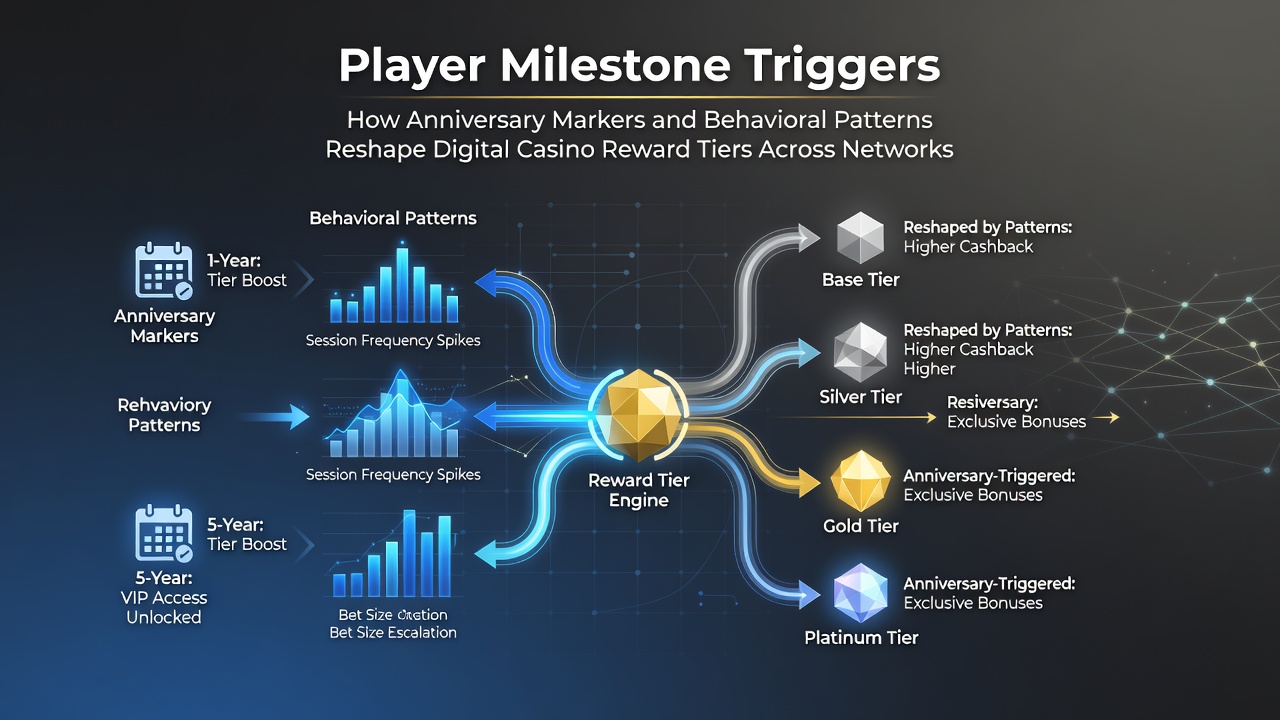
Anniversary markers function as scheduled triggers that evaluate player tenure and adjust reward eligibility within digital casino systems, while behavioral patterns such as deposit frequency, session duration, and game selection determine tier progression across interconnected networks. These mechanisms operate through algorithms that track account creation dates alongside activity metrics, resulting in automated tier reclassifications that influence bonus access, cashback rates, and exclusive promotions. Networks integrate these data points to maintain consistent player classifications even when individuals move between affiliated platforms.
Research indicates that platforms record anniversary events at fixed intervals, typically aligning with account registration dates or first deposit anniversaries, and these events prompt system reviews that incorporate cumulative behavioral data. Players reaching one-year milestones often receive tier evaluations that factor in total wagers placed during the preceding period, whereas shorter intervals like quarterly markers focus on recent activity spikes. Data shows that such triggers correlate with increased retention rates when they coincide with behavioral consistency rather than isolated high-volume sessions.
Anniversary Markers as Structural Triggers
Anniversary markers reset or elevate reward parameters at predetermined calendar points, creating predictable yet variable outcomes depending on concurrent behavioral inputs. Observers note that systems flag these dates weeks in advance, allowing preparatory adjustments to loyalty ledgers that reflect both tenure length and engagement intensity. In July 2026, aggregated platform reports revealed elevated tier movements during anniversary windows, particularly among accounts demonstrating steady weekly activity rather than sporadic surges. These markers interact with network-wide databases, enabling shared recognition of milestones across partnered operators and preventing redundant qualification processes.
Operators calibrate anniversary effects differently by region, with North American platforms emphasizing wager thresholds tied to calendar anniversaries and European systems incorporating regulatory caps on promotional frequency. The result appears in tier structures where long-term players advance through loyalty brackets faster when behavioral logs show diversified game participation rather than concentration in single titles. Figures from industry tracking services confirm that anniversary-aligned evaluations account for approximately 30 percent of annual tier promotions within major networks.
Behavioral Patterns Driving Tier Adjustments
Behavioral patterns encompass measurable actions including login regularity, average bet sizing, and response to promotional prompts, all of which feed into scoring models that override or reinforce anniversary outcomes. Researchers have documented how sustained patterns of moderate, frequent play generate higher cumulative scores than infrequent large deposits, leading to accelerated tier advancement even outside formal anniversary periods. Networks apply weighting algorithms that prioritize consistency metrics, resulting in tier stability for players whose activity follows predictable cycles rather than erratic peaks.
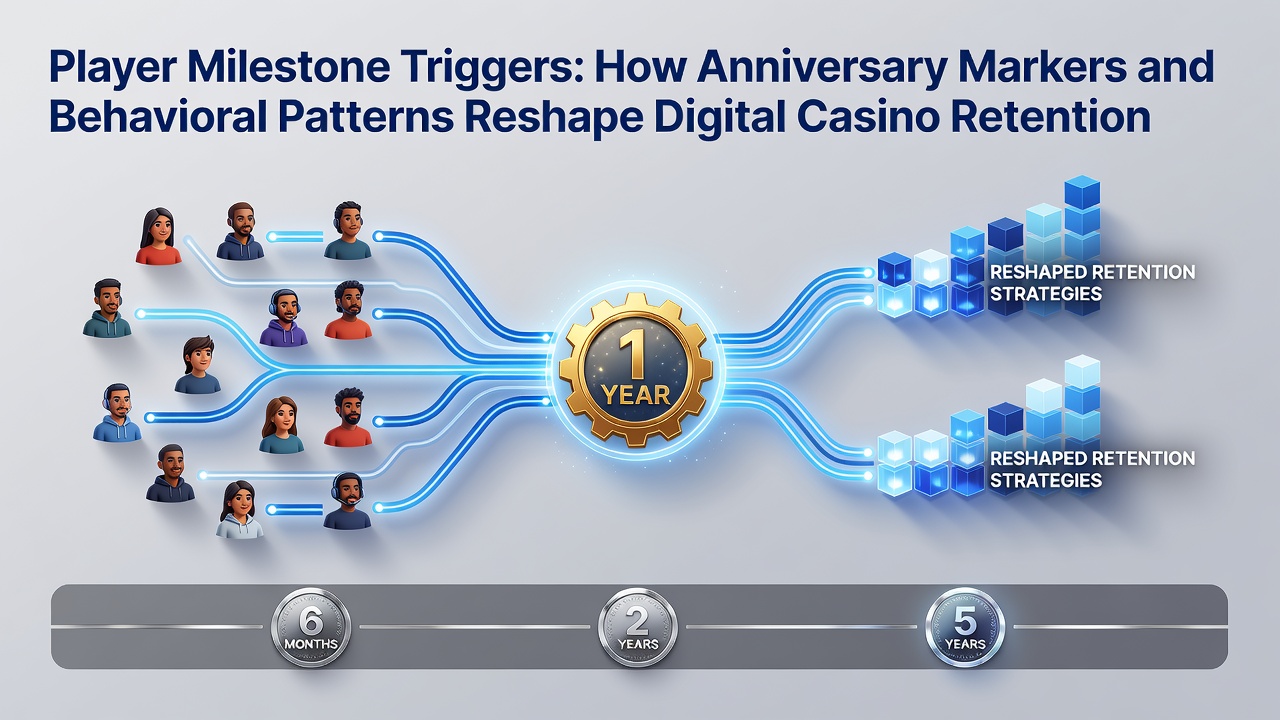
Cross-platform sharing amplifies these effects because behavioral histories travel with player profiles, allowing new networks to inherit established patterns and accelerate or delay tier placements accordingly. Studies conducted by the American Gaming Association demonstrate that players exhibiting balanced behavioral profiles across multiple game categories maintain higher tier retention when migrating between affiliated sites. What's interesting is how systems flag deviations, such as sudden increases in session length, as potential indicators for provisional tier reviews that may occur independently of anniversary dates.
Network-Level Integration and Data Exchange
Digital casino networks exchange player data through centralized loyalty frameworks that synchronize anniversary markers with behavioral histories, ensuring uniform tier application regardless of entry point. This integration reduces qualification friction for frequent players while enforcing consistent reward scaling based on verified activity across operators. According to reports from the Australian Gambling Research Centre, networked systems processed over 2.4 million cross-platform tier evaluations in the first half of 2026, with anniversary triggers contributing to 41 percent of upward movements. Behavioral pattern analysis within these exchanges identifies retention risks when activity declines coincide with upcoming milestone dates.
Platforms adjust reward tiers dynamically when behavioral data reveals sustained engagement, applying multipliers during anniversary reviews that reflect both tenure and pattern strength. Those who've examined network architectures observe that real-time scoring prevents tier stagnation by incorporating recent behavioral shifts, even when anniversary markers fall during lower-activity periods. The result creates fluid tier landscapes where individual player trajectories depend on combined milestone and pattern inputs rather than isolated metrics.
Conclusion
Anniversary markers and behavioral patterns together form the core evaluation framework that determines reward tier placement across digital casino networks, with data exchange protocols ensuring continuity for players navigating multiple platforms. July 2026 records illustrate how these combined triggers influence tier mobility at scale, supported by tracking from organizations such as the American Gaming Association and the Australian Gambling Research Centre. Networks continue refining these systems through algorithmic updates that balance scheduled milestone reviews against ongoing behavioral evidence.